Understanding Organizations
Introduction
Organizations are structured entities established to achieve defined objectives by coordinating people, processes, technology, information, and other resources. They exist across every sector of society, including business, government, education, healthcare, non-profit, and international institutions, each operating with a unique mission and purpose.
To achieve their objectives efficiently and sustainably, organizations establish leadership, define roles and responsibilities, implement business processes, allocate resources, and adopt governance practices that support effective decision-making, accountability, and operational excellence. As organizations grow in size and complexity, they develop specialized business functions, organizational structures, and management practices that enable them to coordinate activities, manage resources, and adapt to changing business, technological, and regulatory environments.
What is an Organization?
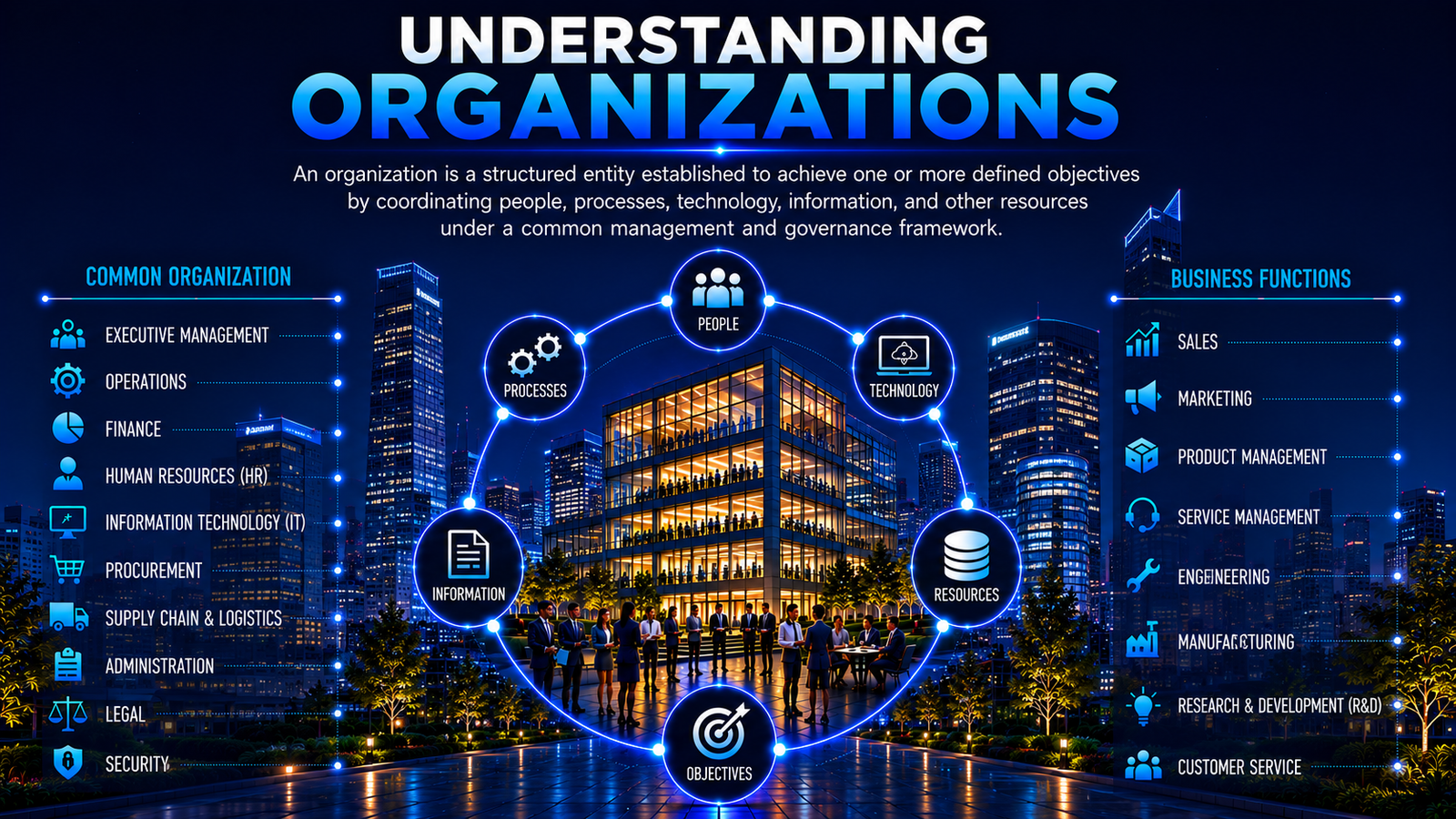
An organization is a structured entity established to achieve one or more defined objectives by coordinating people, processes, technology, information, and other resources. It provides a formal framework within which individuals work together to perform activities, make decisions, manage resources, and accomplish goals that would be difficult or impossible to achieve independently.
Organizations exist for many different purposes. Some are established to generate profit by producing goods or delivering services, while others provide public services, education, healthcare, scientific research, humanitarian assistance, or community development. Although their missions differ, all organizations rely on structured coordination to achieve their objectives.
An organization consists of multiple interconnected elements, including people, leadership, organizational structure, organizational functions, operational processes, technology, information, resources, policies, and governance. These elements work together to support daily operations while enabling the organization to achieve its strategic and operational objectives.
As organizations grow, they establish reporting relationships, define roles and responsibilities, assign authority, implement management practices, and adopt governance mechanisms that promote accountability, efficiency, coordination, and effective decision-making.
Today, information technology plays a critical role in almost every organization. Business operations, communication, finance, human resources, manufacturing, healthcare, education, and government services all depend on technology to support their activities. Consequently, security has become an essential organizational capability that protects information, technology, digital services, and business operations against evolving cyber threats while enabling organizations to operate securely and resiliently.
Purpose of an Organization
Every organization is established with a defined purpose and exists to achieve objectives that create value for its stakeholders. While the specific mission of an organization varies depending on its industry, ownership, and objectives, all organizations share common purposes that enable them to operate effectively and sustainably.
Achieving Organizational Objectives
Organizations are created to accomplish specific objectives that align with their mission and strategic direction. These objectives may include generating revenue, delivering public services, advancing education, providing healthcare, conducting research, supporting communities, or fulfilling regulatory and national responsibilities.
Coordinating Resources
Organizations bring together people, technology, information, financial resources, facilities, equipment, and other assets, enabling them to work collectively toward common objectives through effective planning, coordination, and management.
Delivering Products and Services
Organizations provide products, services, programs, public services, or other outcomes that meet the needs and expectations of customers, citizens, patients, students, members, partners, and other stakeholders.
Supporting Collaboration
Organizations provide a structured environment in which individuals and teams with different knowledge, skills, and responsibilities can collaborate effectively through defined roles, communication channels, business processes, and organizational structures.
Managing Operations
Organizations establish standardized processes, procedures, and management practices that ensure business activities are performed efficiently, consistently, and in alignment with organizational objectives.
Managing Risk and Compliance
Organizations face strategic, operational, financial, legal, regulatory, and security risks that may affect their ability to achieve objectives. To address these challenges, they implement governance, risk management, internal controls, and compliance practices that help identify, assess, treat, monitor, and manage risks while ensuring adherence to applicable laws, regulations, standards, and organizational policies.
Creating Sustainable Value
Successful organizations continuously improve their people, processes, technology, products, services, and capabilities to remain effective, resilient, competitive, and sustainable. By balancing operational performance with innovation, governance, and responsible management, organizations create long-term value for customers, employees, shareholders, partners, governments, and society.
Types of Organizations
Organizations can be broadly classified based on their primary purpose and objectives. At a high level, they are categorized into Business Organizations and Non-Business Organizations. While both require effective leadership, governance, operations, and security, they differ in their primary mission, stakeholders, and the value they create.
Business Organizations
Business organizations are commercial entities established to produce goods or provide services in exchange for economic value. Their primary objective is to generate revenue, create value for customers, and achieve sustainable growth.
Business organizations operate within one or more industries, where an industry represents a group of organizations offering similar products or services. Examples of industries include banking, financial services, insurance, manufacturing, retail, information technology, telecommunications, healthcare, energy, transportation, logistics, hospitality, media, and professional services.
Although they operate in different industries, business organizations typically perform common organizational functions such as executive management, finance, human resources, operations, information technology, procurement, legal, and security. Depending on the industry, they may also have specialized functions such as sales, marketing, product management, service management, customer service, engineering, manufacturing, supply chain management, and research and development.
Non-Business Organizations
Non-business organizations are established primarily to deliver public, social, educational, scientific, humanitarian, or national services rather than commercial profit. Their primary objective is to serve citizens, communities, member organizations, or society by fulfilling a defined mission.
Common examples of non-business organizations include:
- Government organizations
- Military and defense organizations
- Law enforcement agencies
- Regulatory authorities
- Educational institutions
- Public healthcare institutions
- Non-profit organizations and charities
- International organizations
Like business organizations, non-business organizations also perform core organizational functions such as executive management, finance, human resources, administration, operations, information technology, legal services, procurement, and security. However, their specialized functions are aligned with their mission, such as public administration, national defense, law enforcement, education, healthcare delivery, humanitarian assistance, international cooperation, or regulatory oversight.
Organizational Functions
Organizational functions are specialized areas of responsibility established to perform specific activities that enable an organization to achieve its objectives. They define how work is organized, responsibilities are assigned, decisions are made, and resources are managed across the organization. By dividing work into functional areas, organizational functions promote efficiency, accountability, coordination, and the effective management of the organization’s people, processes, information, technology, and operations.
While the functions within an organization vary depending on its purpose, size, industry, and operating model, most organizations establish a common set of organizational functions. Some functions are common across nearly all organizations, while others are created to support specific business activities, industries, or operational requirements.
Organizational functions can generally be classified into three categories: Common Organizational Functions, Business Functions, and Industry-Specific Functions.
Common Organizational Functions
Common organizational functions are the fundamental functional areas found in most organizations, regardless of their size, industry, or purpose. They provide the leadership, governance, operational capabilities, resources, and support required to manage the organization effectively and achieve its strategic objectives. Although the names and responsibilities of these functions may vary across organizations, they collectively ensure the efficient operation, governance, and long-term success of the organization.
Executive Management
The Executive Management function provides strategic leadership and overall direction for the organization. It defines the organization’s vision, mission, strategy, objectives, and priorities, makes key decisions, allocates resources, oversees organizational performance, and ensures long-term success.
Operations
The Operations function is responsible for delivering the organization’s products or services. It manages operational processes, production or service delivery, quality management, resource utilization, productivity, and continuous improvement to ensure efficient and effective operations.
Finance
The Finance function manages the organization’s financial resources. It is responsible for budgeting, accounting, financial reporting, treasury management, taxation, financial planning, auditing, investment management, and financial risk management. Depending on the size and complexity of the organization, Finance may include specialized areas such as Financial Planning and Analysis (FP&A), Treasury, Accounting, Taxation, Internal Audit, Payroll, and Investor Relations.
Human Resources (HR)
The Human Resources (HR) function manages the organization’s workforce throughout the employee lifecycle. It is responsible for attracting, developing, managing, and retaining employees while ensuring the organization has the talent and capabilities required to achieve its strategic objectives. HR encompasses several specialized areas, including Talent Acquisition (TA) for recruitment and hiring, HR Operations for employee administration and HR services, Learning and Development (L&D) for employee training and skill development, Performance Management for evaluating and improving employee performance, Compensation and Benefits for managing salaries, rewards, and employee benefits, Employee Relations for fostering a positive workplace and resolving employee issues, Talent Management for succession planning and leadership development, and HR Business Partner (HRBP) functions that align people strategies with business objectives.
Information Technology (IT)
The Information Technology (IT) function provides and manages the technology services that support organizational operations. It is responsible for IT infrastructure, networks, cloud services, enterprise applications, databases, end-user computing, technical support, and ensuring the availability, reliability, and performance of technology systems. In larger organizations, IT may include specialized areas such as Infrastructure Services, Cloud Services, Enterprise Applications, Enterprise Architecture, Service Management, Data Management, and IT Operations.
Procurement
The Procurement function acquires the goods, services, technology, and resources required for organizational operations. It manages supplier selection, vendor relationships, sourcing strategies, purchasing activities, contract negotiations, and procurement governance to ensure quality, cost-effectiveness, and supply continuity.
Supply Chain and Logistics
The Supply Chain and Logistics function manages the movement of materials, products, and information throughout the organization. It oversees sourcing, inventory management, warehousing, transportation, distribution, demand planning, and supplier coordination to ensure products and services are delivered efficiently.
Administration
The Administration function provides administrative and operational support to ensure the efficient day-to-day running of the organization. It manages office administration, documentation, records management, workplace services, facilities coordination, and general organizational support activities.
Legal
The Legal function provides legal advice and ensures that the organization complies with applicable laws, regulations, contractual obligations, and governance requirements. It manages contracts, legal disputes, intellectual property, regulatory matters, and legal risk. Depending on the organization, Legal may also oversee corporate governance, regulatory affairs, policy management, and ethics.
Security
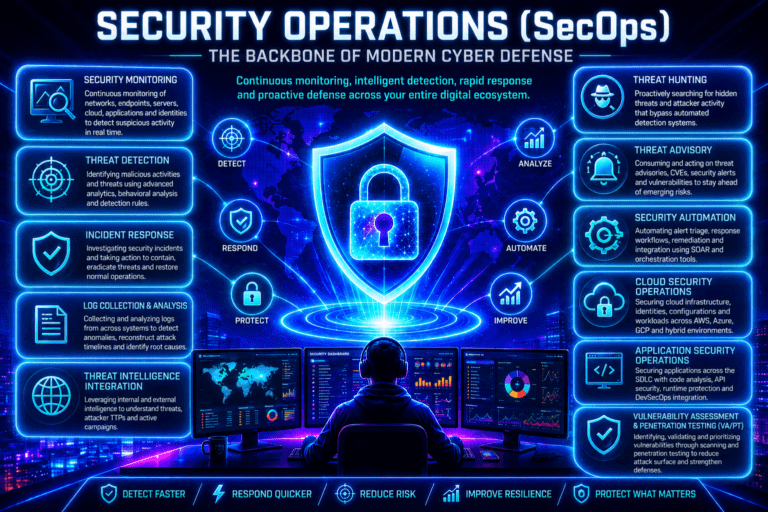
The Security function protects the organization’s people, physical assets, facilities, information, technology, and business operations from physical and cyber threats. It establishes security governance, manages security risks, implements security controls, responds to incidents, supports regulatory compliance, and strengthens organizational resilience. Security may include specialized disciplines such as Physical Security, Information Security, Security Operations, Identity and Access Management (IAM), Security Architecture, Business Continuity, Disaster Recovery, and Crisis Management.
Business Functions
Business functions are organizational functions that directly contribute to creating, developing, delivering, marketing, selling, and supporting an organization’s products or services. They play a key role in creating customer value, generating revenue, achieving business objectives, and driving sustainable growth. The specific business functions established by an organization depend on its products, services, industry, and business model.
Sales
The Sales function generates revenue by identifying customer needs, building customer relationships, promoting products and services, negotiating agreements, and converting business opportunities into sales.
Marketing
The Marketing function identifies market opportunities, understands customer needs, promotes products and services, strengthens brand awareness, generates demand, and supports business growth through market research, advertising, communications, and promotional activities.
Product Management
The Product Management function is responsible for planning, developing, managing, and improving products or services throughout their lifecycle. It identifies customer needs, defines product strategy, prioritizes features, coordinates with cross-functional teams, and ensures that products deliver value while supporting business objectives.
Service Management
The Service Management function is responsible for planning, designing, delivering, operating, supporting, and continually improving services throughout their lifecycle. It ensures that services consistently meet customer and business requirements by managing service strategy, service design, service delivery, service operations, service quality, service performance, service support, and continual service improvement while maximizing value for customers and the organization.
Research and Development (R&D)
The Research and Development (R&D) function focuses on innovation by developing new products, services, technologies, and processes while continuously improving existing offerings. It supports long-term business growth through research, experimentation, and technological advancement.
Engineering
The Engineering function designs, develops, tests, and maintains products, systems, infrastructure, or technical solutions. It applies engineering principles to ensure quality, reliability, safety, performance, and continuous improvement.
Manufacturing
The Manufacturing function is responsible for producing goods efficiently while maintaining quality, safety, and cost-effectiveness. It manages production planning, process control, equipment, workforce, and quality standards to ensure products are manufactured according to specifications.
Customer Service
The Customer Service function supports customers before, during, and after the delivery of products or services. It manages customer inquiries, technical support, complaints, service requests, and customer relationships to improve customer satisfaction, retention, and loyalty.
Industry-Specific Functions
Industry-specific functions are specialized organizational functions established to meet the unique operational, technical, regulatory, or service requirements of a particular industry or sector. These functions complement the common organizational functions and business functions by supporting activities that are unique to industries such as healthcare, banking and financial services, insurance, manufacturing, retail, telecommunications, energy and utilities, transportation and logistics, mining, construction, education, government, hospitality, aviation, and media.
The combination of common organizational functions, business functions, and industry-specific functions enables organizations to operate efficiently, deliver value to stakeholders, manage risks, and achieve their strategic objectives.
Organizational Structure
An organizational structure defines how an organization is organized, managed, and coordinated to achieve its objectives. It establishes reporting relationships, authority, responsibilities, communication channels, and the distribution of work across different organizational functions. A well-designed organizational structure promotes effective decision-making, accountability, operational efficiency, and collaboration throughout the organization.
The structure of an organization varies depending on factors such as its size, complexity, industry, business model, geographical presence, and strategic objectives. While no single structure is suitable for every organization, most organizations adopt one or a combination of the following organizational structures.
Functional Structure
A functional structure organizes the organization based on specialized business functions such as Human Resources, Finance, Operations, Information Technology, Procurement, Legal, and Security. Employees with similar skills and responsibilities are grouped together under functional managers. This is one of the most common organizational structures used by organizations of all sizes.
Divisional Structure
A divisional structure groups the organization into separate divisions based on products, services, customers, geographic regions, or business units. Each division typically operates with its own management team and supporting functions while remaining aligned with the organization’s overall strategy. This structure is common in large enterprises operating across multiple industries, product lines, or geographic locations.
Matrix Structure
A matrix structure combines both functional and divisional structures. Employees typically report to both a functional manager and a project, product, or business unit manager. This structure enables organizations to share expertise across multiple projects while maintaining functional specialization, although it can introduce greater management complexity.
Flat Structure
A flat organizational structure has relatively few management levels between employees and executive leadership. It promotes faster communication, greater collaboration, quicker decision-making, and increased employee autonomy. Flat structures are commonly found in startups, small businesses, and organizations with less hierarchical management.
Hierarchical Structure
A hierarchical structure consists of multiple levels of management arranged in a clear chain of command. Authority and decision-making flow from senior leadership to middle management and operational teams. This traditional structure provides well-defined reporting relationships, accountability, and governance, making it common in large corporations, government agencies, military organizations, and public sector institutions.
Hybrid Structure
Many modern organizations adopt a hybrid organizational structure by combining elements of multiple structural models. For example, an organization may maintain functional departments while organizing specific business units by product, geography, or customer segment. Hybrid structures provide greater flexibility to support complex business operations and evolving organizational needs.
Organizational Governance
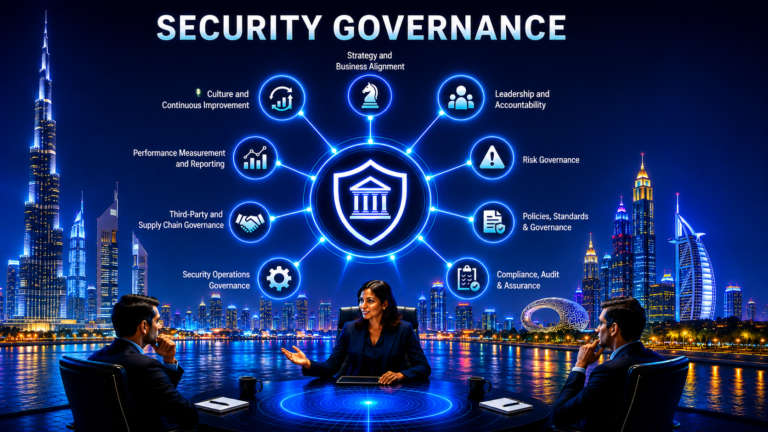
Organizational governance is the framework through which an organization is directed, managed, and controlled to achieve its strategic and operational objectives. It establishes the leadership, authority, policies, processes, oversight, and accountability necessary to ensure that the organization operates effectively, ethically, and in compliance with applicable laws and regulations.
Effective governance aligns organizational activities with the organization’s vision, mission, objectives, and stakeholder expectations. It provides a structured approach for making decisions, managing risks, allocating resources, monitoring performance, and driving continual improvement.
While governance models vary depending on the organization’s size, type, industry, and complexity, they generally include the following key elements.
Leadership
Leadership establishes the organization’s vision, mission, strategic objectives, and overall direction. It provides guidance for decision-making, organizational priorities, and long-term planning while promoting ethical behavior, accountability, and organizational success.
Policies and Standards
Policies and standards define the principles, rules, and expectations that guide organizational activities. They provide consistency across the organization and help ensure that business operations are performed in a controlled, compliant, and efficient manner.
Roles and Responsibilities
Governance clearly defines the roles, responsibilities, authority, and accountability of individuals, management, and business functions. Clearly defined responsibilities help eliminate ambiguity, improve coordination, and support effective decision-making throughout the organization.
Decision-Making
Governance establishes decision-making processes and authority levels across the organization. It ensures that decisions are made by the appropriate individuals or governing bodies based on defined responsibilities, business priorities, and organizational objectives.
Risk Management
Every organization faces strategic, operational, financial, legal, technological, and security risks. Governance ensures that risks are identified, assessed, treated, monitored, and reported to support informed decision-making and organizational resilience.
Compliance
Governance ensures that the organization complies with applicable laws, regulations, contractual obligations, industry standards, and internal policies. Effective compliance reduces legal, financial, operational, and reputational risks while maintaining stakeholder trust.
Performance Monitoring
Governance establishes mechanisms to measure and monitor organizational performance against strategic objectives, operational goals, and key performance indicators (KPIs). Performance monitoring enables leadership to evaluate progress, identify improvement opportunities, and support informed decision-making.
Continuous Improvement
Effective governance promotes continual improvement by regularly reviewing organizational strategies, policies, processes, controls, and performance. This enables the organization to adapt to changes in business, technology, regulations, and the external environment while maintaining long-term effectiveness and resilience.
Relationship Between Organization, Business, Industry, and Enterprise
The terms organization, business, industry, and enterprise are closely related but represent different concepts. Understanding their relationship provides a foundation for understanding how organizations are established, how businesses operate, and how commercial activities are organized.
Organization
An organization is an entity established to achieve one or more defined objectives by coordinating people, processes, technology, and other resources. Organizations may be commercial or non-commercial and include businesses, government agencies, educational institutions, healthcare providers, non-profit organizations, and international organizations.
Business
A business is a commercial organization established to produce goods or provide services in exchange for economic value. Businesses invest capital, people, technology, and other resources to create products or services, generate revenue, manage costs, and achieve sustainable profitability and long-term growth.
Business organizations conduct their commercial activities within one or more industries based on the nature of their products or services.
Industry
An industry is a sector of the economy comprising business organizations engaged in similar economic activities by producing related products or providing similar services. It groups together businesses based on the nature of their commercial activities, products, and services.
Enterprise
An enterprise is an organization viewed as a whole. It may consist of a single legal entity or multiple organizations operating under common ownership, governance, or strategic direction.
An enterprise may comprise a single organization or multiple organizations, business units, subsidiaries, or divisions working together to achieve common strategic objectives.
Understanding Their Relationship
An organization is an entity established to achieve defined objectives. A business is a commercial type of organization that produces goods or provides services in exchange for economic value. Businesses operate within one or more industries based on the products they manufacture or the services they provide. An industry is a sector of the economy that groups together businesses engaged in similar commercial activities. An enterprise represents an organization as a whole and may consist of a single organization or multiple organizations operating under common ownership, governance, or strategic direction.
Together, these concepts provide a structured understanding of how organizations, businesses, industries, and enterprises relate to one another and establish the foundation for understanding enterprise governance, enterprise architecture, enterprise risk management, security, and other enterprise-wide disciplines.
Conclusion
Organizations are established to achieve defined objectives by coordinating people, processes, technology, information, and other resources. They exist in many forms, including commercial businesses, government agencies, educational institutions, healthcare providers, non-profit organizations, and international organizations.
Understanding how organizations are established, structured, governed, and operated provides the foundation for understanding business operations and organizational management. It also clarifies the relationship between organizations, businesses, industries, and enterprises, enabling a better understanding of how commercial and non-commercial activities are organized, managed, and governed.