Discover Cybersecurity

Explore cybersecurity domains, technologies, enterprise security, AI security, ethical hacking, and insights
KINGSANIT is a cybersecurity knowledge hub that organizes cybersecurity into structured areas of knowledge, enterprise practices, technologies, artificial intelligence, critical infrastructure, and trusted references. It provides a comprehensive foundation for technical learning, professional development, and lifelong cybersecurity knowledge.

Explore →
The core knowledge areas, frameworks, best practices, and methodologies that form the foundation of cybersecurity.

Explore →
The security technologies and platforms that monitor threats, prevent attacks, and secure digital infrastructure.

Explore →
The practices, techniques, and methodologies used to identify threats, defend systems, and respond effectively.

Explore →
The leadership, governance, technology, architecture, and operations that manage risk and secure enterprises.

Explore →
The cyber defenses, technologies, and security controls that protect critical infrastructure and essential services.

Explore →
The insights on cybersecurity domains, technologies, threats, and the evolving cybersecurity landscape
Exploring with Kingsanit
Cybersecurity knowledge is best developed progressively, connecting cybersecurity concepts with the technologies, practices, and environments in which security is applied. Explore the Cybersecurity Domains to understand the fundamental areas of cybersecurity, then explore Cybersecurity Technologies and Cybersecurity Practices to understand how security is implemented and practiced. Enterprise Security demonstrates how cybersecurity is applied within organizations and enterprises, while Critical Infrastructure Security explores the protection of essential infrastructure and services. Insights connect cybersecurity knowledge with Kingsanit’s real-world professional experience, while the Reference Library provides supporting foundations across computing, networking, the Internet, information technology, cloud, artificial intelligence, web technologies, mathematics, science, and related areas.
Cybersecurity Domains
Explore →
Latest Articles
-
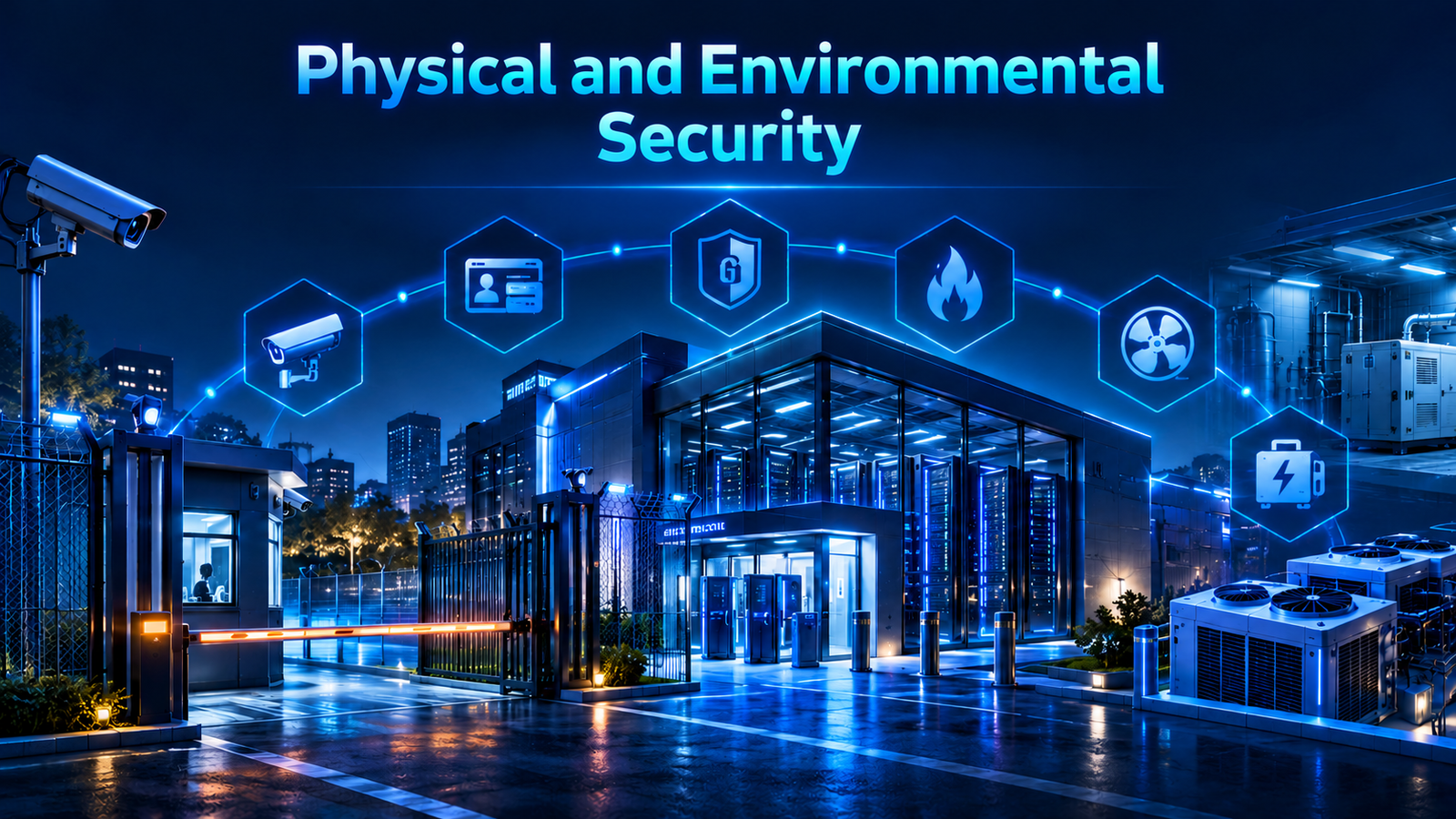
Understanding Physical and Environmental Security
Physical and Environmental Security protects facilities, personnel, equipment, information systems, and supporting infrastructure from physical threats and environmental hazards. Understand physical security principles, access controls, facility protection, equipment security, environmental safeguards, fire protection, power resilience, and their role in maintaining the confidentiality, integrity, and availability of information and information systems.
-
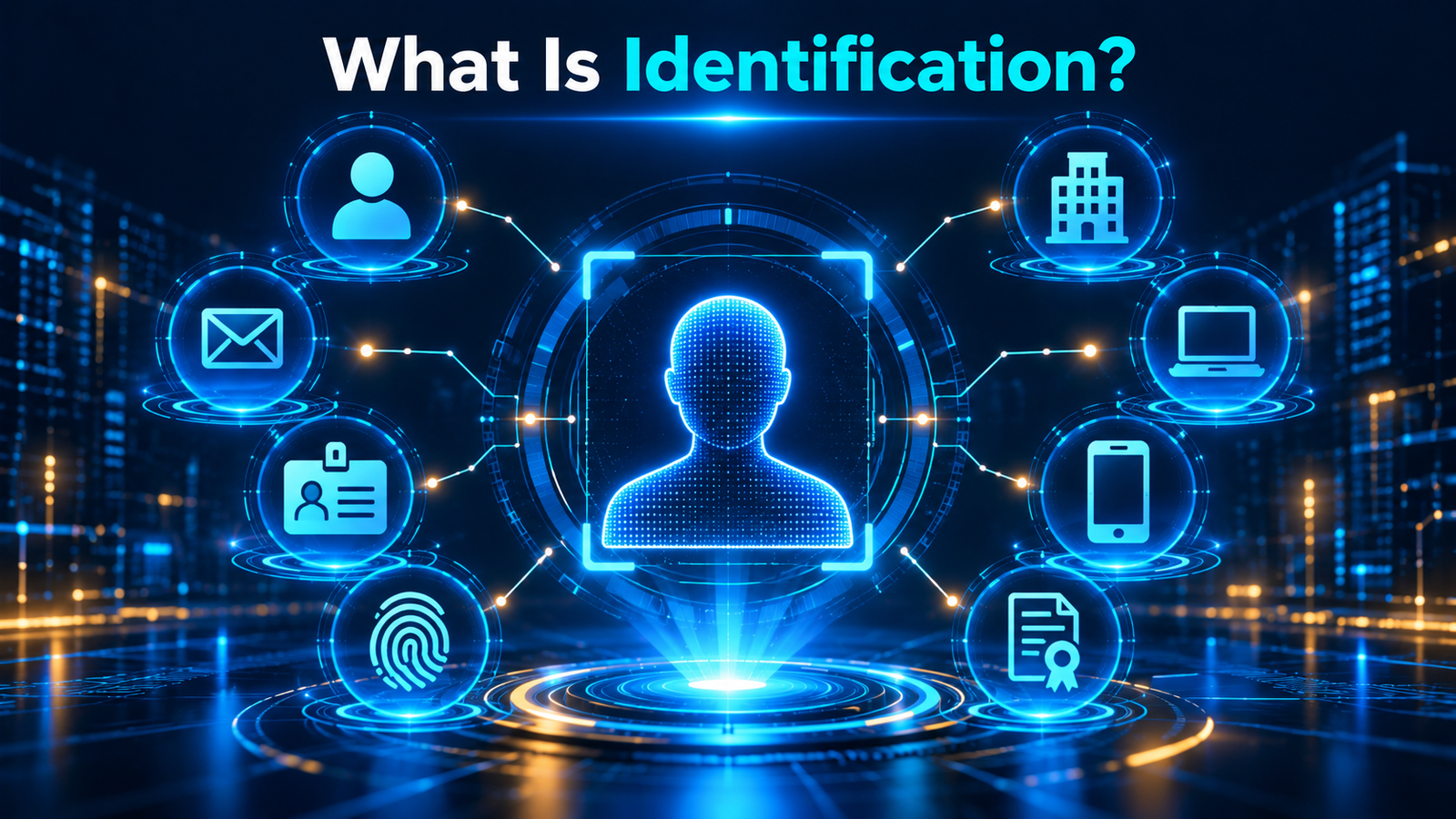
What Is Identification?
Identification is the process of recognizing or distinguishing an entity by using an identifier associated with an identity. It establishes which identity an entity claims, while authentication verifies that claim and authorization determines what the authenticated identity is permitted to access or perform.
-
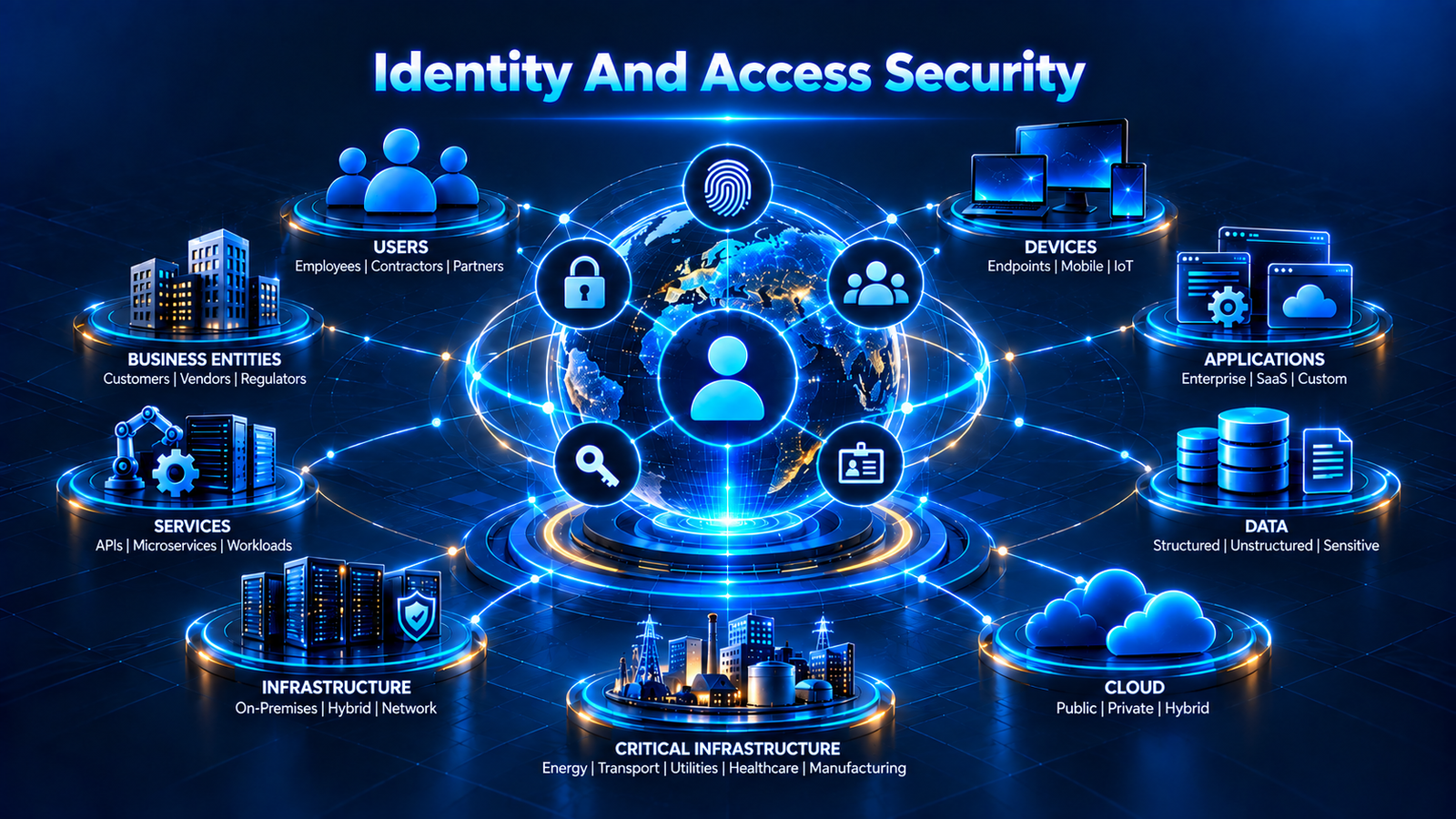
Understanding Identity and Access Security
Identity and Access Security provides the principles, processes, controls, and technologies used to establish trusted identities, authenticate entities, manage access, enforce authorization, protect privileged access, and govern access throughout its lifecycle.
Cybersecurity Technologies
Explore →
Latest Articles
-
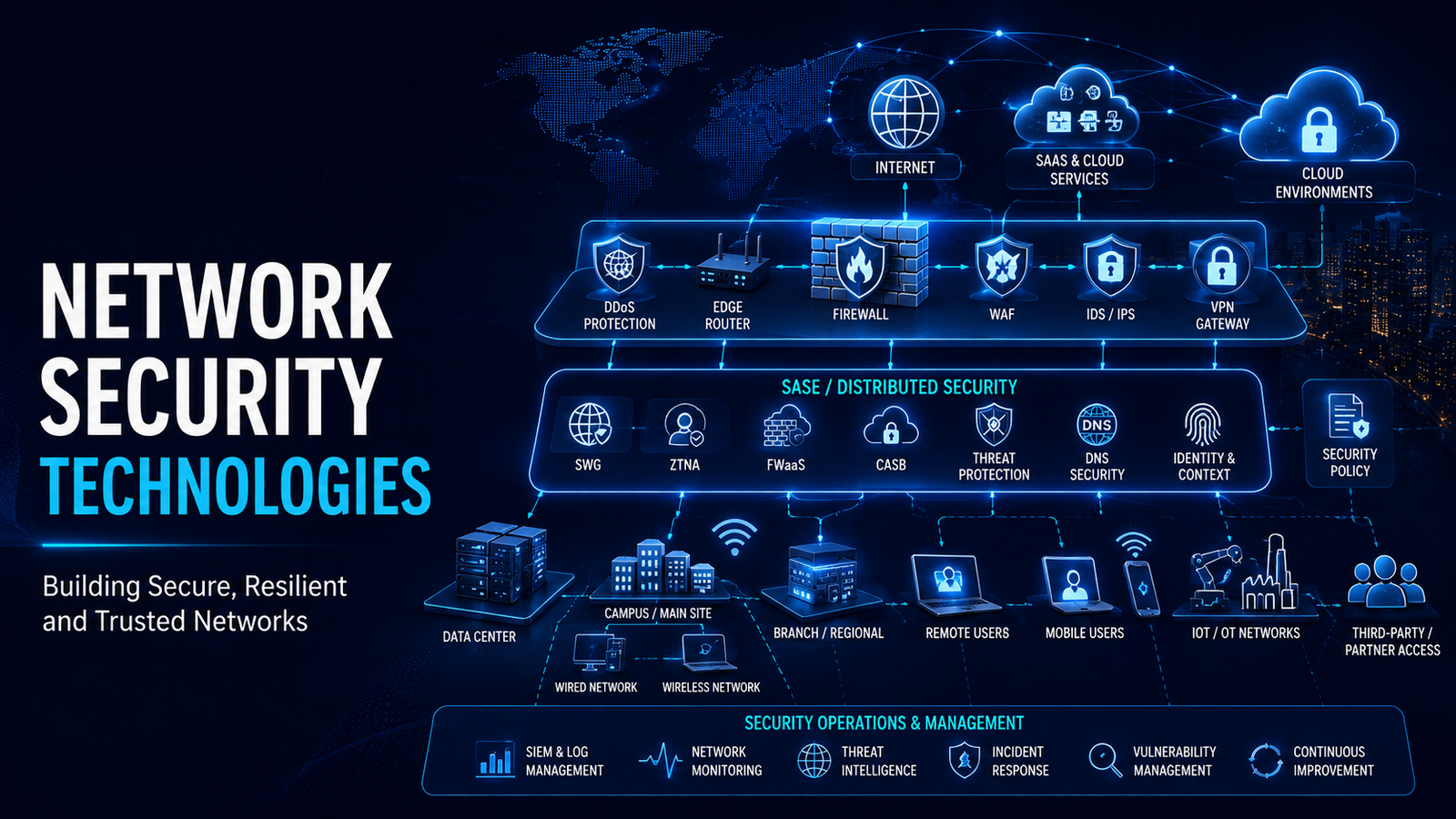
Understanding Network Security Technologies
Network security technologies provide the technical capabilities used to protect network communication, control access, detect threats, secure applications and services, and maintain availability. This article explains major network security technologies, their relationship with the CIA triad and security controls, technology selection, defense in depth, and network security architecture.
Cybersecurity Practices
Explore →
Latest Articles
-
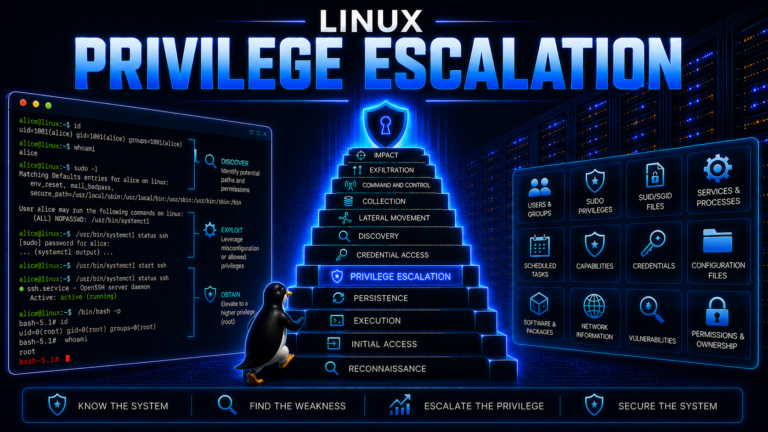
Linux Privilege Escalation
Linux privilege escalation is the process of obtaining greater privileges than those initially assigned to a user or process. It involves identifying weaknesses in permissions, configurations, services, applications, and other system resources that may allow a lower-privileged security context to gain additional authority.
-
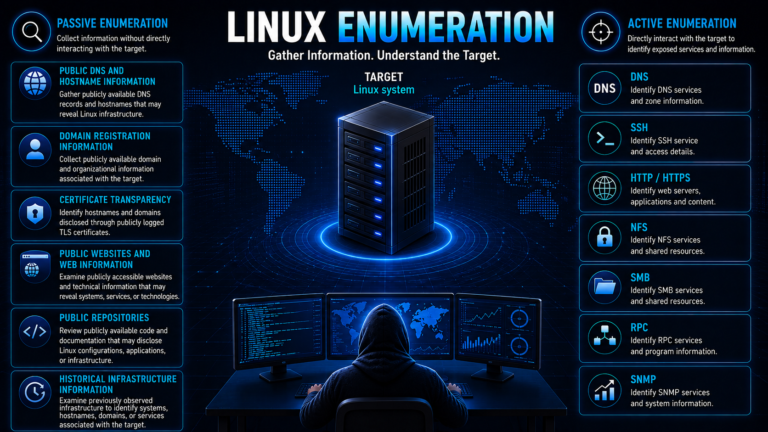
Linux Enumeration
inux Enumeration is the systematic gathering of information about Linux hosts, services, applications, and exposed infrastructure through passive and active techniques. It is used by security professionals during authorized security assessments to understand and evaluate a target, and it may also be used by real-world attackers to gather information about the target and identify opportunities for subsequent attack activity.
-
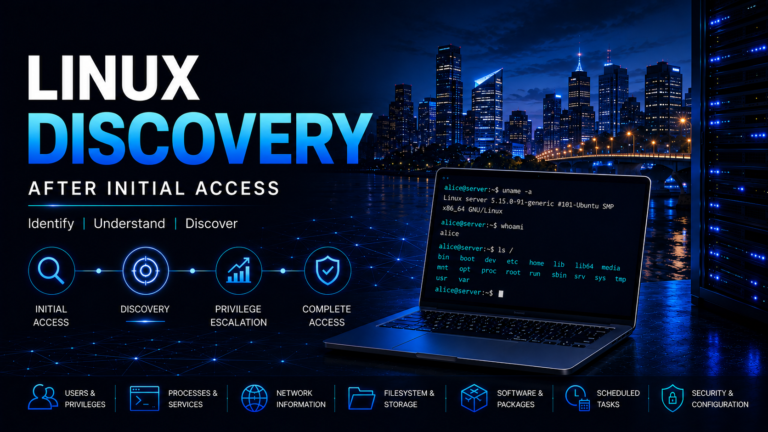
Linux Discovery
Linux Discovery examines an accessed Linux system to understand its users, privileges, processes, services, network configuration, filesystems, software, scheduled tasks, and security controls. It helps security professionals understand what information is visible from the current access level and how visibility changes when additional privileges become available.
Enterprise Security
Explore →
Latest Articles
-
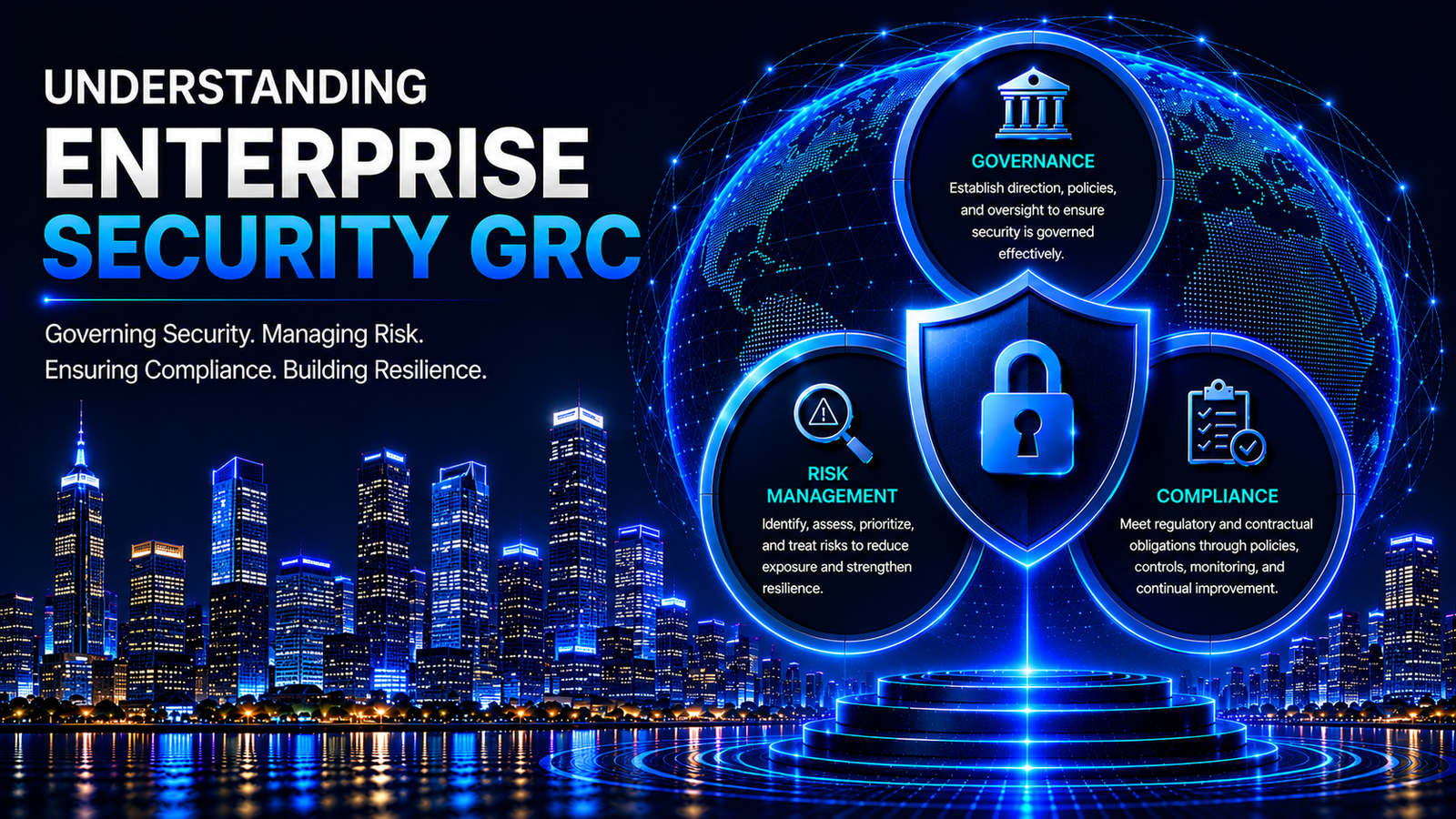
Understanding Enterprise Security GRC
Enterprise Security GRC establishes a structured approach to govern security, manage cybersecurity risks, and maintain compliance across the enterprise. It aligns security leadership, policies, controls, risk management, audits, architecture, investment, and performance measurement to support accountable decision-making, regulatory obligations, effective security oversight, and continuous improvement.
Critical Infrastructure Security
Explore →
Latest Articles
-
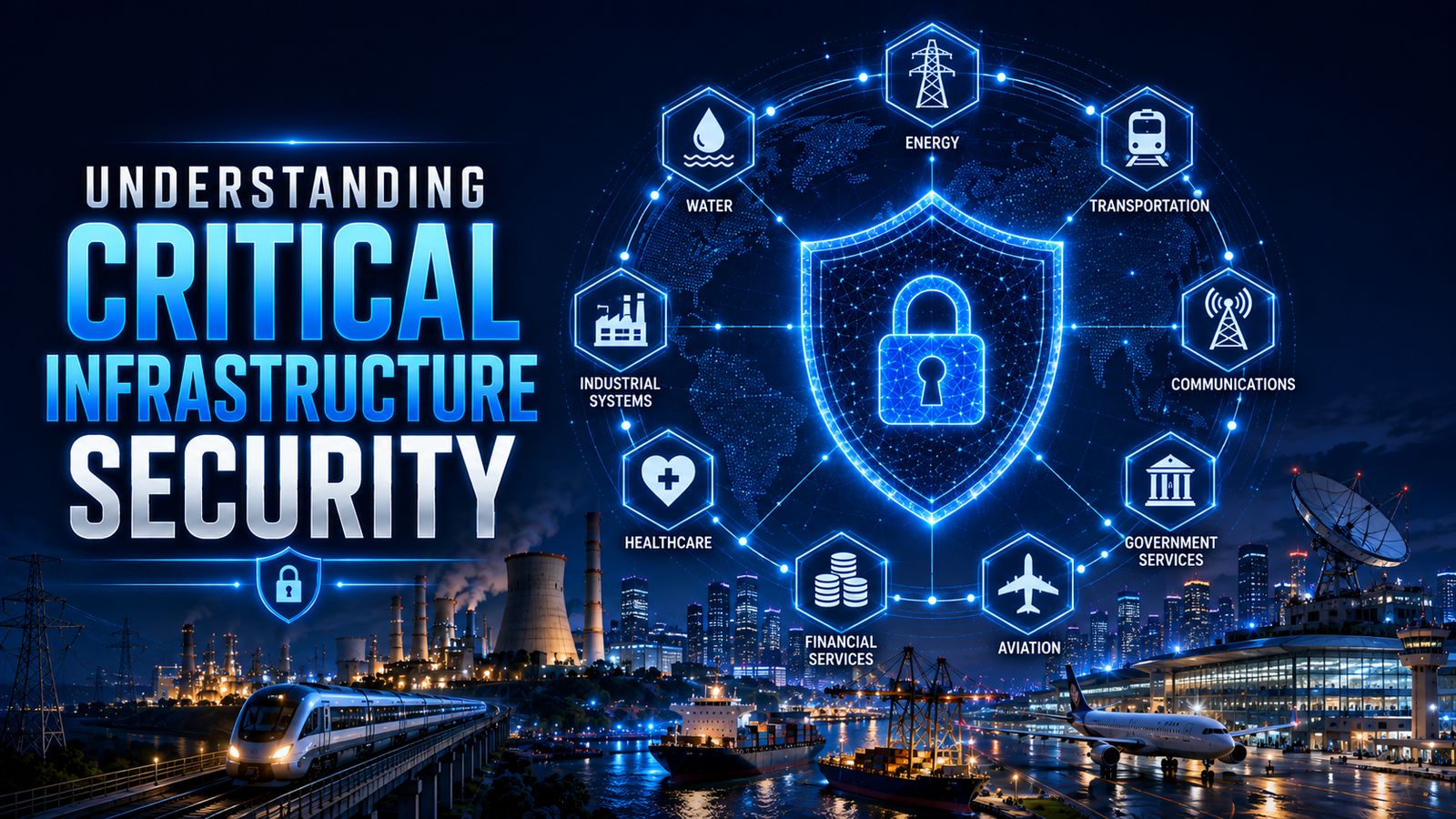
Understanding Critical Infrastructure Security
Critical Infrastructure Security focuses on protecting essential systems, facilities, networks, and services from cyber, physical, environmental, and operational threats. It brings together cybersecurity, OT and ICS security, physical security, resilience, risk management, supply chain security, incident response, and recovery to help maintain safe, reliable, and continuous essential services.
Insights
Explore →
Latest Articles
-
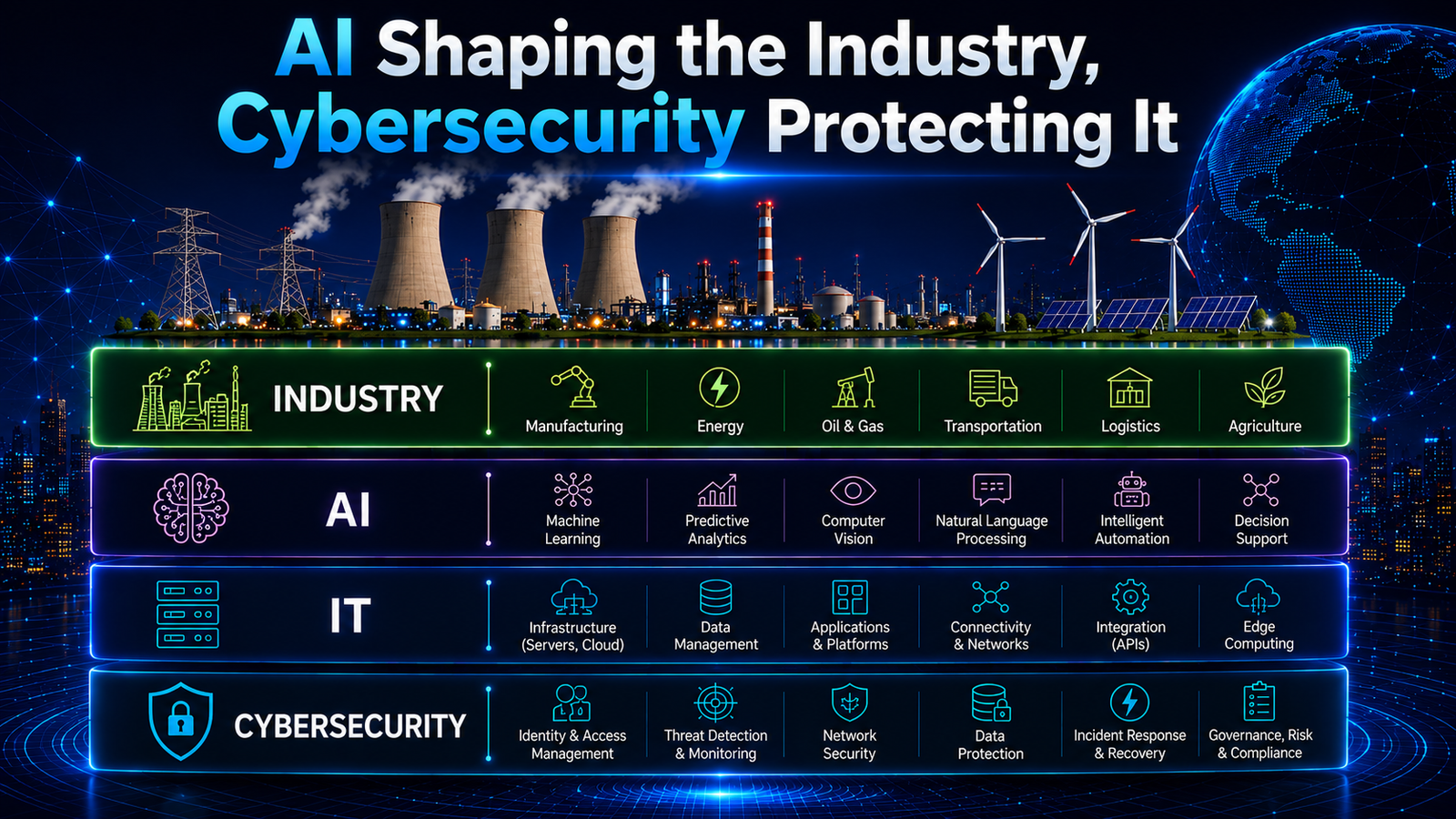
AI Shaping the Industry, Cyber Security Protecting It
Industry is evolving from mechanization and mass production toward connected, intelligent, and human-centric systems. Information Technology provides the digital foundation, Artificial Intelligence enables new industrial capabilities, and Cybersecurity protects the infrastructure, data, operations, and AI systems supporting increasingly connected and intelligent industrial environments across industries.
-
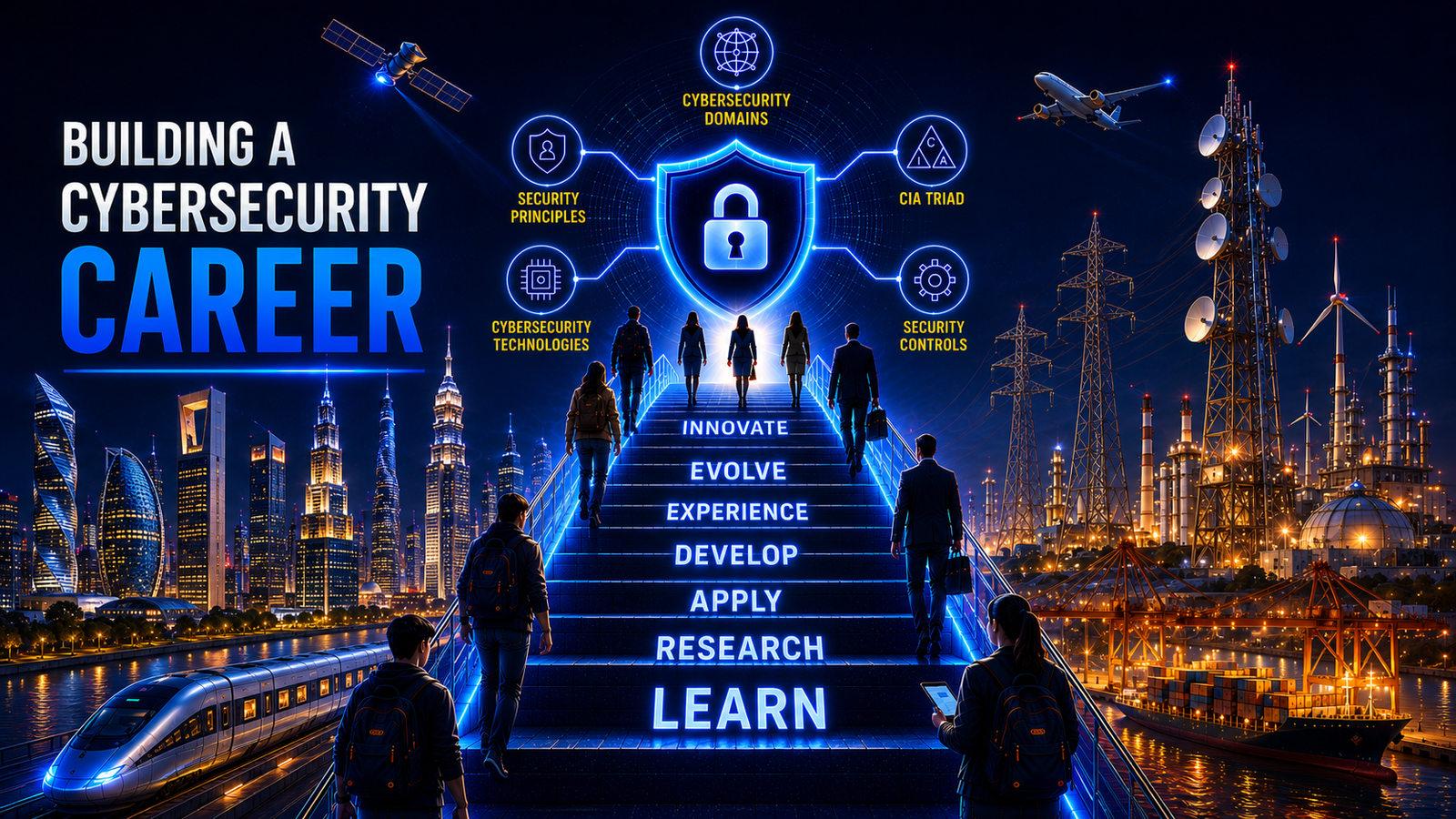
Building a Cybersecurity Career
A cybersecurity career is built through a combination of academic knowledge, professional experience, and continuous development across cybersecurity domains. A strong foundation in security principles, the CIA Triad, security controls, cybersecurity technologies, and professional practices provides the knowledge and expertise required to develop and sustain a cybersecurity career.
-
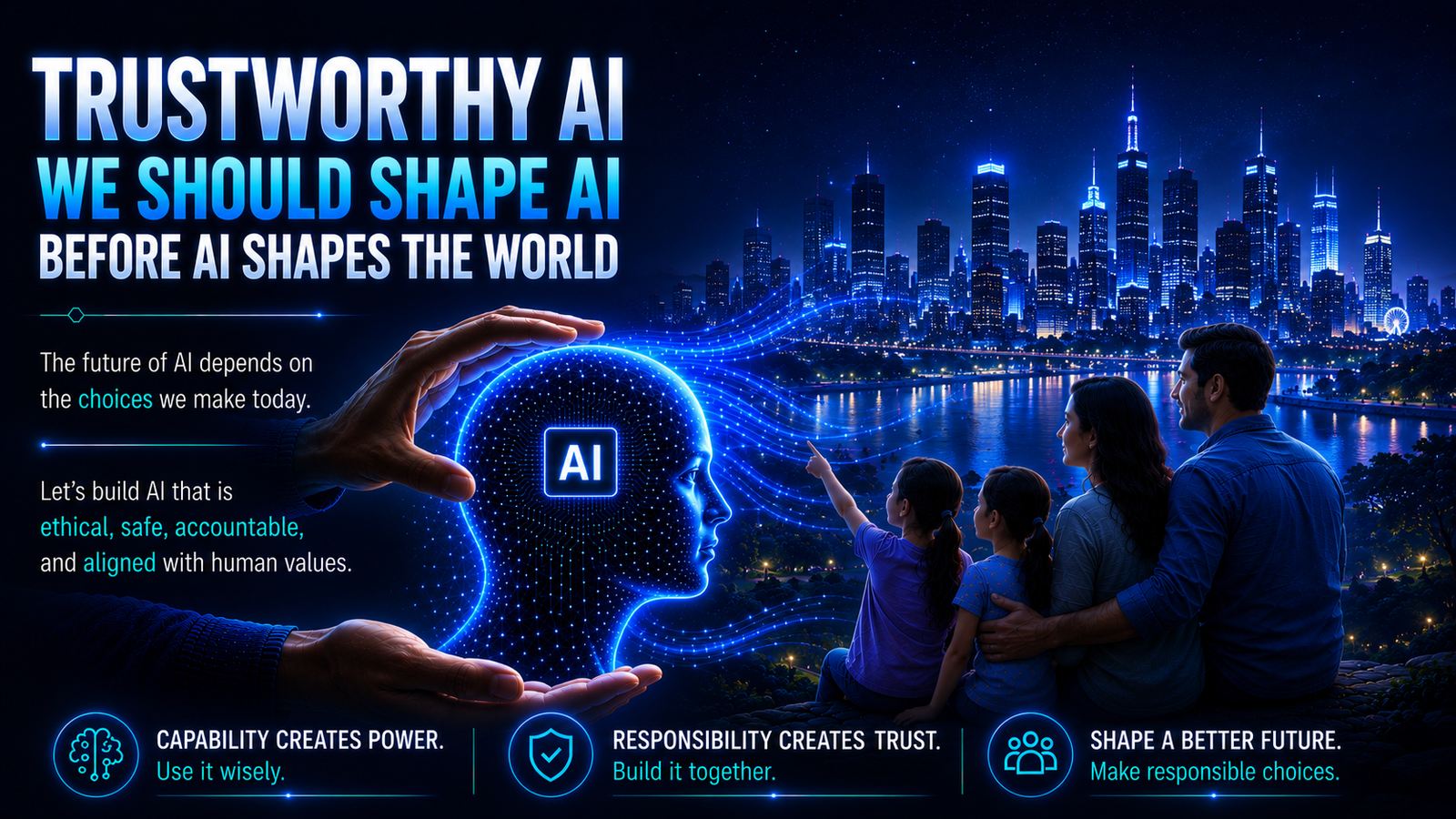
Trustworthy AI: We Should Shape AI Before AI Shapes the World
As AI becomes part of daily life and continues to grow in capability, our responsibility for how it is developed and used becomes increasingly important. The choices we make around data, objectives, safeguards, governance, and human oversight will influence how AI affects the world. Due care and due diligence are essential to shaping AI responsibly.
Reference Library
Explore →
Latest Posts
-
Open Worldwide Application Security Project (OWASP)
OWASP is a global nonprofit organization dedicated to improving software security through openly available standards, guidance, tools, and educational resources. Its projects support application security across development, architecture, testing, verification, and software assurance.
-
What is Clock Rate
Clock rate is a foundational concept in computer architecture that defines how many clock cycles occur each second in a processor. It provides the basis for understanding processor timing, clock cycle duration, and how frequency relates to CPU performance.
-
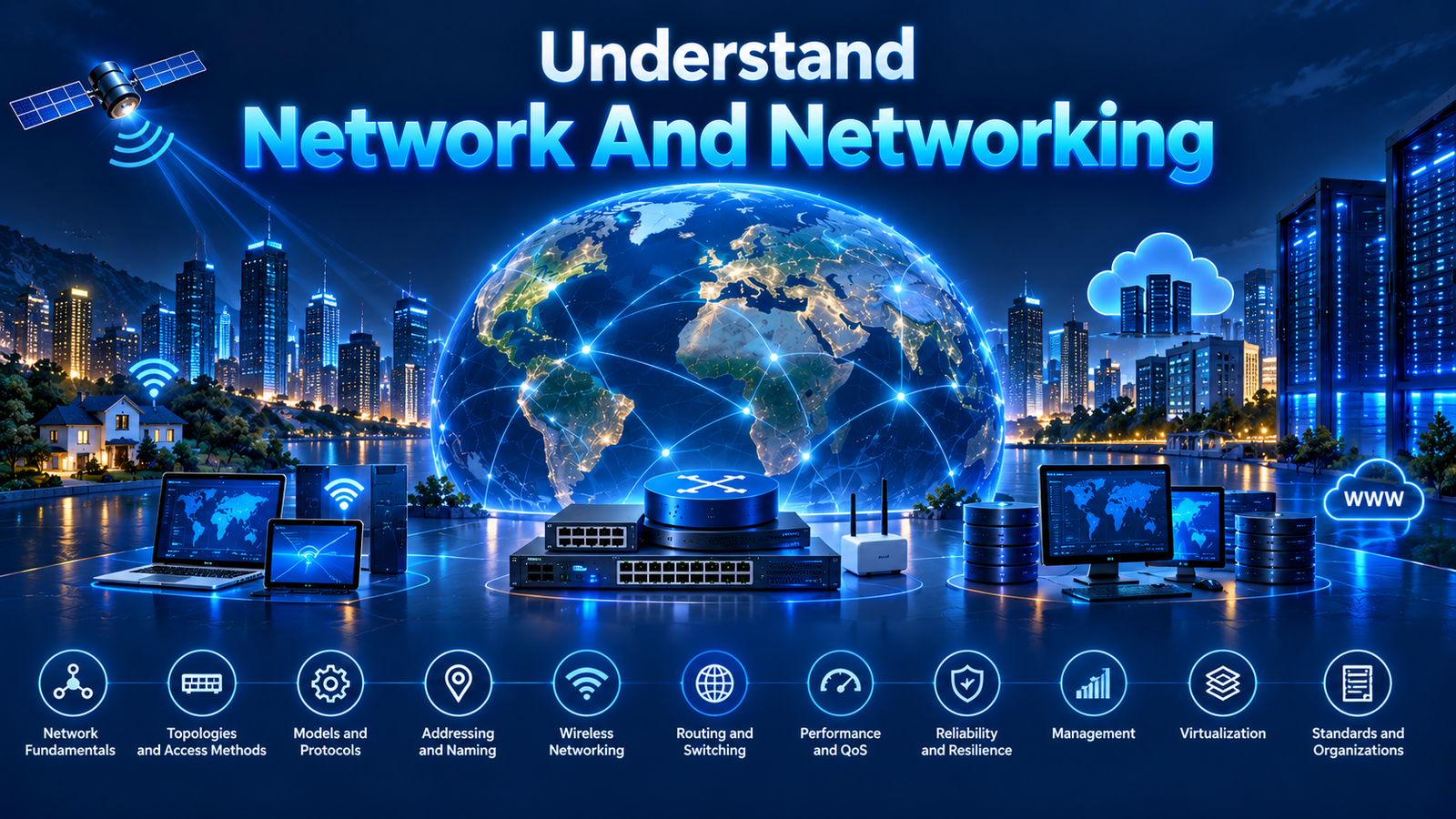
Understand Network and Networking
Computer networking provides the foundation for communication between interconnected devices, enabling data exchange, resource sharing, and access to networked services. It encompasses network architecture, topologies, switching, routing, addressing, protocols, wireless communication, internetworking, performance, reliability, management, virtualization, and standards.