Understanding OPEX
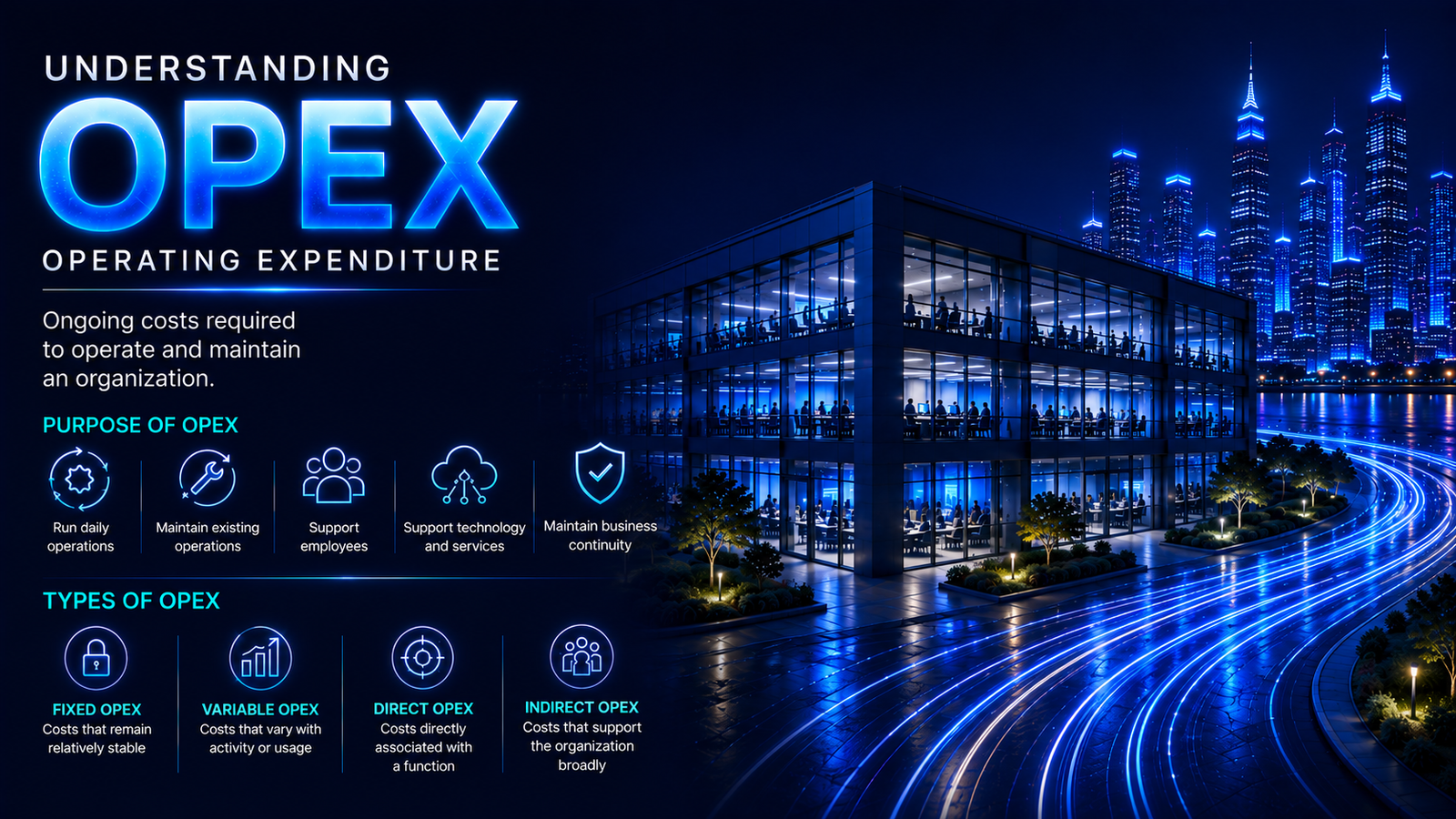
OPEX, or Operating Expenditure, refers to the ongoing costs an organization incurs to operate, maintain, and support its business activities.
OPEX includes recurring expenses such as salaries, utilities, rent, maintenance, subscriptions, services, and other costs required for day-to-day operations. Unlike CAPEX, which is generally associated with acquiring or improving long-term assets, OPEX is primarily associated with the ongoing operation of an organization.
OPEX is an important organizational concept because it affects budgeting, cost management, financial planning, operational efficiency, business continuity, and financial reporting.
What Is OPEX?
OPEX stands for Operating Expenditure.
Operating expenditure represents the costs associated with running an organization’s normal business activities.
These costs are generally incurred regularly or as part of ongoing operations. They help an organization maintain its workforce, facilities, technology, services, and other operational capabilities.
Examples include:
- Employee salaries and wages
- Rent
- Utilities
- Routine maintenance
- Software subscriptions
- Cloud services
- Telecommunications services
- Insurance
- Office supplies
- Professional services
- Managed services
- Operational support
For example, an organization may incur an operating expense for electricity used to operate its offices and facilities. Because electricity is an ongoing operational requirement rather than the acquisition of a long-term asset, it is generally treated as OPEX.
Similarly, paying for a recurring software subscription to support business operations is generally an OPEX-related cost.
The exact accounting treatment depends on the nature of the expenditure, the organization’s accounting policies, and the applicable accounting framework.
Characteristics of OPEX
OPEX has several characteristics that distinguish it from capital expenditure.
Ongoing Nature
OPEX generally represents costs that recur as part of normal business operations.
Examples include salaries, rent, utilities, subscriptions, maintenance, and operational services.
Operational Requirement
OPEX supports the organization’s ability to operate on a day-to-day basis.
For example, an organization requires employees, electricity, telecommunications, software services, and maintenance to continue its operations.
Current-Period Expense
Operating expenditure is generally recognized as an expense in the period in which the related goods or services are consumed, subject to the applicable accounting requirements.
Recurring or Variable
Some operating expenses occur regularly, while others vary according to business activity.
For example, rent may be relatively predictable, while electricity, telecommunications usage, or cloud consumption may change based on operational requirements.
Cost of Operating the Business
OPEX represents an important part of the cost of maintaining normal business activities.
Effective management of operating expenditure can therefore influence operational efficiency and financial performance.
Purpose of OPEX
Organizations incur OPEX for several fundamental purposes.
Running Daily Operations
OPEX supports the routine activities required to operate the organization.
Examples include employee compensation, utilities, office expenses, communications, and operational services.
Maintaining Existing Operations
Organizations incur operating expenses to maintain existing assets, facilities, systems, and services.
For example, routine equipment maintenance helps keep existing assets operational.
Supporting Employees
Employee-related costs are an important component of OPEX for many organizations.
These may include:
- Salaries
- Wages
- Employee benefits
- Training
- Recruitment
- Other employment-related expenses
Supporting Technology and Services
Organizations often incur recurring technology and service costs to support business operations.
Examples include:
- Software subscriptions
- Cloud services
- Internet connectivity
- Managed services
- Technical support
- Security services
Maintaining Business Continuity
Operational spending can also support the continued availability and resilience of business services.
For example, maintenance contracts, support services, backup services, and infrastructure operations may contribute to business continuity.
Types of OPEX
Organizations may classify operating expenditure in different ways depending on their accounting, budgeting, and management requirements.
Fixed OPEX
Fixed OPEX refers to operating costs that generally remain relatively stable over a defined period, although they can change over time.
Examples include:
- Office rent
- Certain insurance costs
- Some service contracts
- Certain administrative expenses
These costs may remain relatively consistent even when business activity changes.
Variable OPEX
Variable OPEX changes according to the level of business activity, usage, or consumption.
Examples include:
- Electricity consumption
- Telecommunications usage
- Cloud resource consumption
- Transaction-related service costs
- Certain logistics expenses
As operational activity changes, these costs may increase or decrease.
Direct OPEX
Direct OPEX refers to operating costs that can be directly associated with a particular product, service, activity, or operational function.
For example, a company may incur specific operating costs directly associated with delivering a particular service.
Indirect OPEX
Indirect OPEX supports the organization more broadly and may not be directly attributable to a single product or service.
Examples include:
- Administrative expenses
- Corporate support functions
- General office expenses
- Certain technology services
- General facilities costs
These classifications may vary between organizations and accounting frameworks.
Examples of OPEX
OPEX occurs across almost every type of organization and industry. The following examples illustrate what the expenditure represents and why it is generally considered operating expenditure.
Employee Costs
An organization incurs OPEX for employee salaries and wages because employees provide ongoing services required to operate the business.
Other recurring employee-related costs, such as benefits and certain training expenses, may also represent operating expenditure because they support the organization’s ongoing workforce and operations.
Rent and Facilities
An organization incurs OPEX for office or facility rent because it is paying for the ongoing use of a property rather than acquiring the property as a long-term asset.
Routine facility-related expenses may also form part of operating expenditure because they support the continued use of the organization’s facilities.
Utilities
An organization incurs OPEX for electricity, water, heating, cooling, and other utilities because these services are consumed as part of ongoing operations.
The cost may vary according to usage and operational requirements.
Maintenance and Repairs
An organization incurs OPEX for routine maintenance and repairs required to keep existing assets and facilities operational.
For example, routine servicing of equipment is generally an operating expense. However, a major improvement that significantly extends an asset’s useful life or increases its capability may be treated differently and could qualify as CAPEX.
Software Subscriptions
An organization incurs OPEX for recurring software subscriptions because it is paying for ongoing access to a service used to support business operations.
For example, a recurring productivity, collaboration, or business application subscription is generally an operating cost.
The accounting treatment of software arrangements can vary depending on the nature of the arrangement.
Cloud Services
An organization incurs OPEX for ongoing cloud computing, storage, and application services because these services are consumed as part of ongoing operations.
For example, paying for recurring cloud resources used by business applications generally represents an operating cost rather than the purchase of a physical long-term asset.
Specific cloud arrangements may have different accounting considerations.
Telecommunications
An organization incurs OPEX for recurring internet, telephone, mobile, and other communication services required for business operations.
These costs support ongoing communication rather than representing the acquisition of a long-term asset.
Managed Services
An organization incurs OPEX for recurring managed services when an external provider continuously operates or supports a business or technology function.
Examples include managed IT services, managed security services, facilities management, and other recurring operational services.
Insurance
An organization incurs OPEX for insurance premiums because insurance coverage represents an ongoing cost associated with protecting business operations, assets, employees, or other interests.
Insurance premiums generally represent the cost of maintaining coverage during the applicable period.
OPEX vs CAPEX
One of the most important concepts when understanding OPEX is the distinction between OPEX and CAPEX.
| OPEX | CAPEX |
|---|---|
| Operating Expenditure | Capital Expenditure |
| Generally associated with ongoing operations | Generally associated with long-term assets |
| Usually relates to current operational activities | Generally relates to acquiring or improving assets |
| Generally recognized as an expense | May be capitalized when recognition criteria are met |
| Examples include rent, utilities, subscriptions, and routine maintenance | Examples include buildings, machinery, infrastructure, and qualifying technology assets |
For example, purchasing physical servers may represent CAPEX when the applicable capitalization criteria are met, while paying for recurring cloud computing services is generally an operating expense.
Similarly, purchasing a building and paying rent for an office represent fundamentally different types of expenditure. The purchase may involve CAPEX, while the recurring rent is generally OPEX.
The distinction is not simply based on the size of the expenditure. The nature, purpose, and accounting treatment of the expenditure must be considered.
OPEX and Operating Activities
OPEX is closely connected with an organization’s operating activities.
An organization requires ongoing resources to deliver products and services, support customers, maintain infrastructure, employ people, and manage business functions.
These activities generate recurring operating costs.
For example, a technology company may incur OPEX for:
- Employee compensation
- Cloud services
- Internet connectivity
- Software subscriptions
- Technical support
- Office facilities
- Security services
These expenses support the organization’s ongoing activities rather than creating a new long-term asset.
Effective OPEX management therefore requires organizations to understand how operational costs are generated and how those costs relate to business activities.
OPEX and Financial Statements
OPEX has an important relationship with an organization’s financial statements.
OPEX and the Income Statement
Operating expenditure is generally recognized as an expense in the income statement when the related goods or services are consumed, subject to the applicable accounting requirements.
OPEX can therefore directly affect an organization’s reported operating profit.
OPEX and the Balance Sheet
OPEX generally does not create a long-term asset on the balance sheet in the same way that qualifying CAPEX can.
However, certain operating transactions can result in balance-sheet items such as accrued expenses, prepaid expenses, or other liabilities and assets depending on the circumstances.
OPEX and the Cash Flow Statement
Operating expenses can result in cash outflows associated with the organization’s operating activities.
The timing of the expense and the timing of the related cash payment may differ, depending on the nature of the transaction.
Understanding this distinction helps organizations evaluate both operating performance and cash requirements.
OPEX Across Organizations and Industries
OPEX is relevant across almost every organization, although the composition of operating expenditure varies significantly.
A manufacturing organization may incur OPEX for:
- Employee costs
- Utilities
- Routine equipment maintenance
- Logistics
- Insurance
- Facility operations
A telecommunications organization may incur OPEX for:
- Network operations
- Employee costs
- Energy
- Maintenance
- Customer support
- Managed services
A technology organization may incur OPEX for:
- Cloud services
- Software subscriptions
- Employee costs
- Technical support
- Office operations
- Security services
A retail organization may incur OPEX for:
- Store rent
- Employee costs
- Utilities
- Logistics
- Marketing
- Operational services
The nature and scale of OPEX therefore depend heavily on the organization’s operating model and industry.
OPEX Planning and Budgeting
Because operating expenditure is essential to day-to-day operations, organizations commonly include OPEX within their annual and periodic budgeting processes.
A typical OPEX planning process may consider:
Operational Requirements
The organization identifies the resources and services required to maintain business operations.
Cost Estimation
Expected operating costs are estimated based on historical spending, contracts, business plans, operational requirements, and expected changes.
Budget Allocation
Operating budgets are allocated to business units, departments, functions, and operational activities.
Spending Controls
Organizations establish controls to ensure that spending remains within approved budgets and follows applicable policies.
Monitoring
Actual operating expenditure is monitored against the approved budget.
Variance Analysis
Significant differences between planned and actual expenditure may be investigated to understand the underlying causes.
Effective OPEX planning helps organizations maintain operational capability while managing costs and available financial resources.
OPEX Approval and Governance
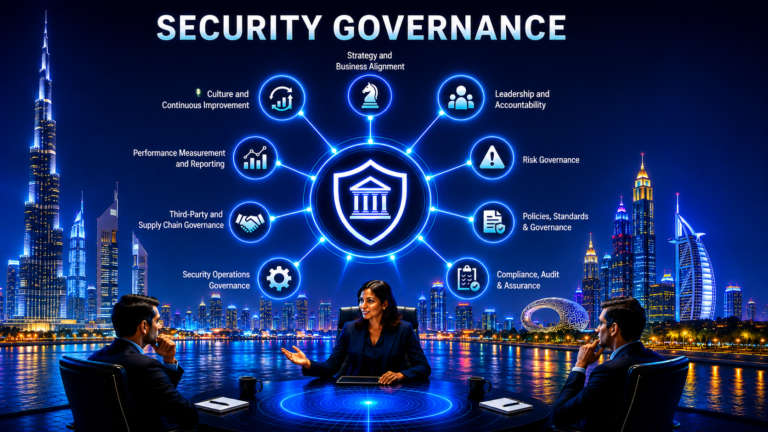
Operating expenditure requires appropriate governance because it represents recurring financial commitments associated with running an organization.
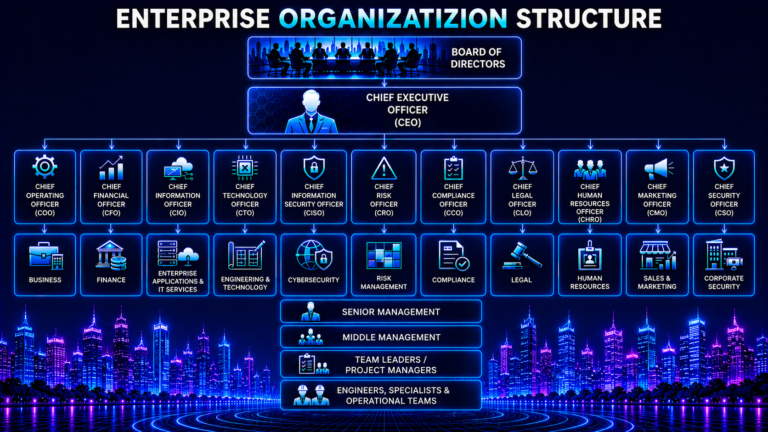
The CFO and finance function typically play an important role in OPEX governance. They may oversee operating budgets, financial planning, expenditure controls, approval thresholds, budget monitoring, and financial reporting.
The CFO does not necessarily determine the operational requirements of each function. Business and functional areas generally identify their operational needs, while the finance function provides financial oversight and governance.
OPEX governance may include:
- Operating budget controls
- Approval authorities
- Spending limits
- Procurement controls
- Expense monitoring
- Budget variance monitoring
- Financial reporting
- Cost management
- Periodic budget reviews
The level of approval may depend on the organization’s governance structure, spending thresholds, and the nature of the expenditure.
Effective OPEX governance helps organizations maintain control over recurring expenditure while ensuring that necessary operational requirements are supported.
OPEX Monitoring and Reporting
Organizations generally monitor OPEX to understand whether actual operating expenditure remains aligned with approved budgets and business expectations.
OPEX monitoring may include:
- Actual expenditure
- Budget utilization
- Budget variances
- Recurring cost trends
- Vendor spending
- Service consumption
- Departmental expenditure
- Cost forecasts
Regular reporting can help management identify unexpected increases in operating costs and understand the reasons behind them.
For example, a significant increase in cloud consumption may indicate higher business activity, inefficient resource usage, changes in application requirements, or other operational factors.
Monitoring therefore provides visibility into how operating resources are being consumed.
OPEX and Cost Management
OPEX management involves understanding how operating costs are generated and identifying opportunities to improve efficiency without unnecessarily affecting business operations.
Organizations may examine:
- Recurring costs
- Resource utilization
- Vendor costs
- Service consumption
- Operational efficiency
- Process efficiency
- Contract commitments
- Unnecessary or duplicated services
Cost management does not necessarily mean reducing every operating expense.
For example, reducing spending on a critical operational service may create greater business risk if the service is essential to availability, security, compliance, or customer operations.
Effective OPEX management therefore involves balancing cost, operational requirements, performance, risk, and business objectives.
OPEX Optimization
OPEX optimization focuses on improving the efficiency and effectiveness of recurring operational expenditure.
Organizations may identify opportunities through:
- Eliminating unnecessary services
- Consolidating duplicate services
- Improving resource utilization
- Reviewing supplier contracts
- Automating repetitive processes
- Optimizing technology consumption
- Improving operational processes
- Aligning services with actual business requirements
For example, an organization may identify unused software licenses and reduce unnecessary subscriptions. Similarly, it may optimize cloud resource consumption to reduce recurring costs without affecting required business services.
OPEX optimization should therefore focus not simply on reducing expenditure, but on obtaining appropriate operational value from the resources being consumed.
OPEX and Total Cost of Ownership
OPEX is an important component of Total Cost of Ownership (TCO).
An asset or service may have an initial acquisition cost as well as ongoing operating costs.
For example, an organization evaluating technology infrastructure may need to consider:
- Acquisition
- Implementation
- Energy
- Maintenance
- Support
- Licensing
- Staffing
- Upgrades
- Security
- Disposal
Considering only the initial acquisition cost may therefore provide an incomplete view of the overall financial commitment.
TCO provides a broader perspective by considering costs associated with an asset or service over its relevant lifecycle.
Factors Affecting OPEX Decisions
Organizations consider various factors when managing operating expenditure.
Business Requirements
Operating costs must support the organization’s products, services, customers, and business activities.
Operational Efficiency
Organizations may evaluate whether resources and services are being used efficiently.
Service Requirements
The required level of service, availability, performance, and support can influence operating costs.
Business Growth
Changes in business volume, customer demand, geographic expansion, or organizational scale can affect OPEX.
Technology Consumption
Technology usage can significantly influence operating costs, particularly for cloud services, software subscriptions, telecommunications, and managed services.
Vendor and Contract Costs
Supplier contracts and recurring service agreements can represent significant components of OPEX.
Risk and Compliance
Some operating expenses may be necessary to manage security, regulatory, legal, operational, or business risks.
Inflation and Market Conditions
Changes in labor costs, energy prices, supplier pricing, and other market conditions can influence operating expenditure.
Cost Optimization
Organizations may evaluate opportunities to improve efficiency, consolidate services, renegotiate contracts, or eliminate unnecessary expenditure.
These factors demonstrate that OPEX management is not simply about reducing costs. It involves managing recurring expenditure in alignment with business requirements and organizational objectives.
OPEX Accounting Considerations
The accounting treatment of operating expenditure depends on the nature of the expenditure, the applicable accounting framework, and the organization’s accounting policies.
Organizations may need to consider:
- When an expense should be recognized
- Whether an expenditure should be treated as OPEX or CAPEX
- Accrued expenses
- Prepaid expenses
- Contract-related costs
- Depreciation or amortization where applicable
- Leases and other contractual arrangements
- Applicable accounting standards
Different accounting standards and jurisdictions may have different requirements.
For example, organizations may follow IFRS, US GAAP, or another applicable accounting framework.
An expenditure should therefore not be classified as OPEX simply because it is recurring. The nature of the expenditure and the applicable accounting requirements must be considered.
Conclusion
OPEX, or Operating Expenditure, represents the ongoing costs associated with operating and maintaining an organization.
It can include employee costs, rent, utilities, maintenance, software subscriptions, cloud services, telecommunications, insurance, managed services, and other operational expenses.
The distinction between OPEX and CAPEX is fundamental to understanding organizational spending. OPEX generally supports current operations, while CAPEX is generally associated with acquiring or improving long-term assets.
OPEX is also closely connected with operational planning, budgeting, cost management, financial reporting, governance, monitoring, optimization, and total cost of ownership.
The CFO and finance function play an important role in providing financial oversight and governance of operating expenditure, while business and functional areas identify and manage their operational requirements.
For organizations, effective OPEX management is about maintaining the resources and services required for ongoing operations while ensuring that recurring expenditure remains aligned with business objectives, financial resources, operational requirements, and risk considerations.