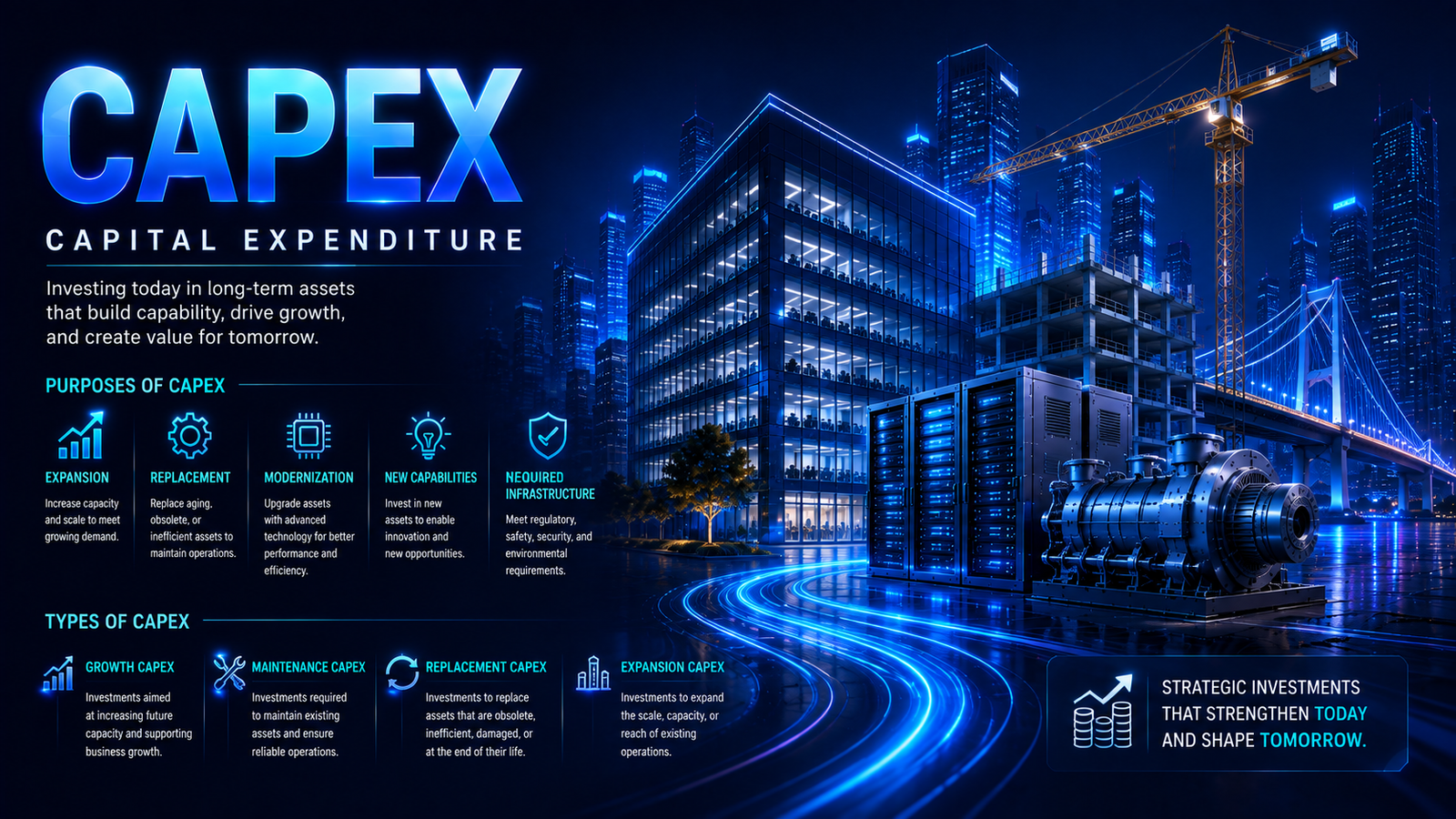
Understanding CAPEX
Introduction
CAPEX or Capital Expenditure, refers to the money an organization spends to acquire, construct, replace, or significantly improve assets that are expected to provide benefits over an extended period.
CAPEX is associated with long-term investments such as buildings, machinery, equipment, infrastructure, facilities, and certain technology assets. Unlike routine operating expenses, which are incurred to run an organization on an ongoing basis, capital expenditure is generally associated with acquiring or improving assets that support operations over multiple accounting periods.
CAPEX is an important organizational concept because it connects financial planning with the acquisition and management of long-term assets. It can affect budgeting, asset management, depreciation, financial statements, procurement, governance, and the long-term capability of an organization.
What Is CAPEX?
CAPEX stands for Capital Expenditure.
Capital expenditure is spending used to acquire, construct, or significantly improve an asset that is expected to provide economic or operational benefits beyond the current accounting period.
Common examples include:
- Purchasing land
- Constructing buildings
- Purchasing machinery
- Acquiring production equipment
- Building infrastructure
- Purchasing vehicles
- Constructing facilities
- Installing major equipment
- Purchasing certain long-term technology assets
- Making significant improvements to existing assets
For example, an organization may allocate a capital budget to construct a new facility. Because the facility is expected to support operations for many years, the expenditure may qualify as CAPEX.
Similarly, purchasing machinery for a manufacturing operation can represent capital expenditure because the machinery is expected to be used over an extended period.
The exact accounting treatment depends on the nature of the expenditure, the organization’s accounting policies, and the applicable accounting framework.
Characteristics of CAPEX
CAPEX has several characteristics that distinguish it from ordinary operating expenditure.
Long-Term Benefit
CAPEX is generally associated with assets that provide benefits over multiple accounting periods.
A building, machine, vehicle, or infrastructure system may continue supporting an organization for several years.
Asset Acquisition or Improvement
Capital expenditure generally involves acquiring a new asset or making a significant improvement to an existing asset.
For example, purchasing a new production machine creates a new asset. A major improvement that extends the useful life or increases the capability of an existing asset may also qualify as capital expenditure.
Investment in Organizational Capability
CAPEX can increase an organization’s ability to operate, produce, deliver services, or support future requirements.
For example, constructing a new facility can increase operational capacity, while upgrading infrastructure can improve reliability or performance.
Planned Expenditure
Because capital investments can affect an organization for several years, they are generally planned and evaluated before the expenditure is made.
Large capital projects may require formal business cases, budgets, approvals, procurement processes, and lifecycle management.
Capitalization
When expenditure meets the applicable recognition criteria, it is generally capitalized, meaning it is recognized as an asset rather than being treated entirely as an expense in the period in which the expenditure occurs.
The asset is then accounted for over its useful life according to the applicable accounting requirements.
Purpose of CAPEX
Organizations undertake CAPEX for several different purposes.
Expansion
An organization may invest in new assets to increase its capacity.
Examples include:
- Building a new facility
- Expanding an existing facility
- Adding production equipment
- Increasing infrastructure capacity
Replacement
Assets eventually become obsolete, inefficient, damaged, or reach the end of their useful lives.
Organizations may therefore make capital investments to replace existing assets and maintain operational capability.
Modernization
CAPEX can support modernization.
An organization may replace older equipment or infrastructure with newer solutions that provide improved:
- Performance
- Efficiency
- Reliability
- Capacity
- Safety
- Resilience
New Capabilities
Capital investment may be required to introduce capabilities that did not previously exist.
For example, an organization may establish a new research facility to support the development of new products or services.
Required Infrastructure
Some capital investments may be necessary to satisfy regulatory, safety, environmental, operational, or security requirements.
Such investments may not directly increase revenue but may be necessary for continued operations.
Types of CAPEX
CAPEX can be classified according to the purpose of the investment. Organizations may use different classification schemes, and some categories can overlap.
Growth CAPEX
Growth CAPEX refers to investment intended to increase future capacity or support organizational growth.
Examples include:
- Building a new manufacturing plant to increase production capacity
- Opening additional retail locations
- Constructing a new distribution center
- Adding additional power-generation capacity
Growth CAPEX is generally associated with increasing an organization’s ability to support future demand or generate additional business capacity.
Maintenance CAPEX
Maintenance CAPEX refers to capital investment required to maintain existing operational capability.
Examples include:
- Replacing an aging roof on an existing facility
- Replacing worn industrial components
- Upgrading an aging electrical system
- Replacing an existing cooling system that has reached the end of its useful life
Maintenance CAPEX may not increase organizational capacity, but it can help maintain the reliability and usability of existing assets.
Replacement CAPEX
Replacement CAPEX involves replacing an existing asset with another asset because the original has become obsolete, inefficient, damaged, or reached the end of its useful life.
Examples include:
- Replacing an old fleet of delivery vehicles
- Replacing outdated manufacturing machinery
- Replacing an aging aircraft
- Replacing obsolete warehouse equipment
Replacement CAPEX can restore or improve operational capability while replacing assets that are no longer suitable.
Expansion CAPEX
Expansion CAPEX focuses on increasing the scale, capacity, or geographic reach of existing operations.
Examples include:
- Adding a new production line to an existing factory
- Building additional warehouse space
- Expanding a telecommunications network into a new region
- Adding additional passenger terminals at an airport
Growth and expansion CAPEX can overlap. Growth is a broader objective that can involve increasing future business capability, while expansion generally emphasizes increasing the scale or reach of existing operations.
Examples of CAPEX
CAPEX can occur across almost every type of organization and industry. The following examples illustrate how spending on different types of long-term assets can represent capital expenditure.
Buildings and Facilities
An organization may allocate a CAPEX budget to construct a new office building, factory, warehouse, or other facility. The expenditure creates a long-term physical asset that is expected to support organizational operations for many years.
Similarly, a major structural improvement to an existing facility may qualify as CAPEX when it creates a significant long-term improvement to the asset.
Machinery and Equipment
A manufacturing organization may allocate CAPEX to purchase new production machinery. The machinery becomes a long-term asset that can be used to manufacture products over its useful life.
A major equipment upgrade that significantly improves the capability or useful life of an existing machine may also represent CAPEX, depending on the applicable accounting requirements.
Transportation
A transportation organization may allocate CAPEX to purchase buses, trucks, aircraft, ships, or other vehicles. These assets are acquired for long-term operational use and can support the organization’s activities for several years.
The purchase of a fleet of vehicles for long-term business operations is therefore fundamentally different from the ongoing fuel, maintenance, or insurance costs associated with operating those vehicles.
Infrastructure
An organization may allocate CAPEX to build or acquire major infrastructure, such as power systems, telecommunications infrastructure, utility infrastructure, or other long-term physical systems.
The expenditure creates or improves infrastructure that supports organizational operations over an extended period.
Technology
An organization may allocate a CAPEX budget to purchase physical servers, storage systems, network equipment, or other qualifying technology assets.
For example, purchasing physical servers for an organization’s data center can represent CAPEX because the organization acquires long-term assets that will be used for several years.
However, not every technology expenditure is CAPEX. Software subscriptions, cloud consumption, managed services, and other recurring technology services are generally operating expenses, although the accounting treatment depends on the specific arrangement.
CAPEX vs OPEX
One of the most important concepts when understanding CAPEX is the distinction between CAPEX and OPEX.
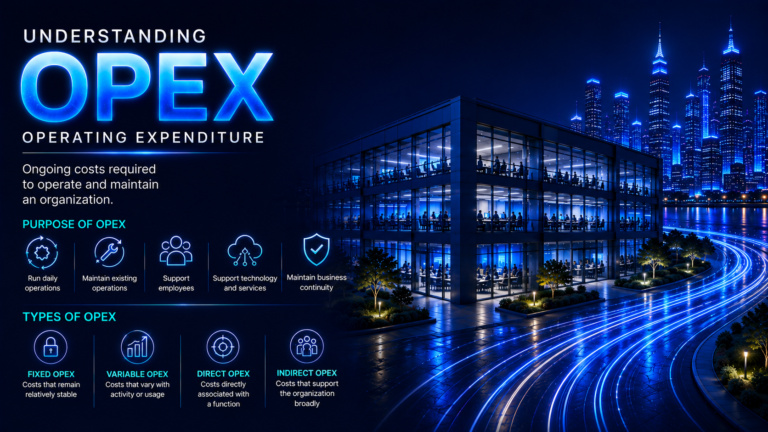
OPEX, or Operating Expenditure, generally represents the ongoing costs associated with operating an organization.
CAPEX generally relates to acquiring or improving long-term assets.
| CAPEX | OPEX |
|---|---|
| Capital Expenditure | Operating Expenditure |
| Generally associated with long-term assets | Generally associated with ongoing operations |
| Benefits may extend across multiple periods | Generally relates to current operations |
| May be capitalized when recognition criteria are met | Generally recognized as an expense |
| Depreciated or amortized where applicable | Generally expensed over the relevant period |
| Example: purchasing equipment | Example: routine maintenance |
For example, purchasing a physical server may represent CAPEX when the applicable capitalization criteria are met.
The electricity used to operate the server or a recurring maintenance service would generally be an operating expense.
Cloud computing provides another example. Purchasing physical infrastructure can involve CAPEX, while paying for ongoing cloud consumption is generally an operating expense. However, the accounting treatment of cloud arrangements depends on the specific contractual and operational circumstances.
The distinction between CAPEX and OPEX is therefore not simply based on whether something is expensive. It depends on the nature and purpose of the expenditure and the applicable accounting requirements.
CAPEX and Long-Term Assets
CAPEX is closely associated with long-term assets.
A long-term asset is generally an asset expected to provide benefits beyond the current accounting period.
Examples include:
- Buildings
- Machinery
- Vehicles
- Production equipment
- Infrastructure
- Certain technology assets
When an organization acquires a qualifying asset, the cost may initially be recognized as an asset rather than being recognized entirely as an immediate expense.
The asset is then managed and accounted for throughout its useful life.
This creates an important relationship between CAPEX and asset lifecycle management.
Organizations generally need to manage assets from their initial acquisition through their operational use, maintenance, upgrades, replacement, and eventual retirement.
Effective lifecycle management helps organizations understand when assets need to be maintained, upgraded, replaced, or retired.
CAPEX and Depreciation
CAPEX involving depreciable tangible assets is closely related to depreciation.
When an organization acquires a qualifying long-term asset, its cost is generally not recognized entirely as an expense in the period of acquisition. Instead, the depreciable cost of the asset is generally allocated over its useful life according to the applicable accounting requirements.
For example, equipment purchased as CAPEX may be depreciated over several years based on its estimated useful life and the applicable depreciation method.
CAPEX and depreciation represent different concepts:
- CAPEX is the expenditure associated with acquiring or improving a long-term asset.
- Depreciation is the accounting allocation of the depreciable cost of that asset over its useful life.
Depreciation is an accounting expense and does not represent a new cash payment each year. The cash expenditure associated with acquiring the asset generally occurs when the asset is purchased or constructed.
CAPEX in Financial Statements
CAPEX has an important relationship with an organization’s financial statements.
CAPEX and the Balance Sheet
When a qualifying capital expenditure is made, the expenditure is generally recognized as an asset on the balance sheet.
The asset may initially be recognized within property, plant and equipment or another appropriate asset category.
The asset’s carrying value can subsequently change because of depreciation, impairment, additional investment, disposal, or other accounting adjustments.
CAPEX and the Income Statement
When a capital expenditure is capitalized, the entire expenditure is generally not recognized as an immediate operating expense.
Instead, depreciation or amortization associated with the asset may affect the income statement over time.
CAPEX and the Cash Flow Statement
Capital expenditure is generally reflected under investing activities in the cash flow statement.
This means capital investments can create cash outflows associated with acquiring or improving long-term assets.
CAPEX is therefore an important consideration when evaluating an organization’s cash flows.
CAPEX Across Organizations and Industries
CAPEX is relevant to organizations across different industries, although the type and scale of capital expenditure can vary significantly.
A manufacturing organization may invest heavily in:
- Factories
- Production machinery
- Warehouses
- Industrial infrastructure
A telecommunications organization may invest in:
- Network infrastructure
- Fiber networks
- Communications equipment
- Data centers
A transportation organization may invest in:
- Vehicles
- Aircraft
- Ships
- Transport infrastructure
A technology organization may invest in:
- Data centers
- Computing infrastructure
- Networking
- Equipment
- Certain technology development activities
A service-oriented organization may have comparatively lower physical CAPEX and may invest primarily in facilities, equipment, and technology infrastructure.
Therefore, the amount and nature of CAPEX should always be understood in the context of the organization’s operating model and industry.
CAPEX Planning and Budgeting
Because capital investments can involve significant financial commitments, organizations commonly include CAPEX within their planning and budgeting processes.
A typical process may include:
Requirement Identification
The organization identifies a need for new, replacement, expanded, or improved assets.
Business Case
The proposed investment is evaluated in terms of requirements, expected benefits, costs, and risks.
Cost Estimation
The organization estimates acquisition, implementation, maintenance, and other relevant costs.
Budget Allocation
The proposed investment is considered against available capital and competing requirements.
Approval
The investment is submitted to the appropriate authority for approval.
Procurement and Implementation
Once approved, the organization acquires or constructs the asset.
Asset Management
The asset is recorded and managed throughout its useful life.
CAPEX planning helps organizations coordinate long-term investments with available financial resources and organizational priorities.
CAPEX Approval and Governance
Capital expenditure generally requires appropriate governance because it commits organizational resources and can create long-term financial and operational obligations.
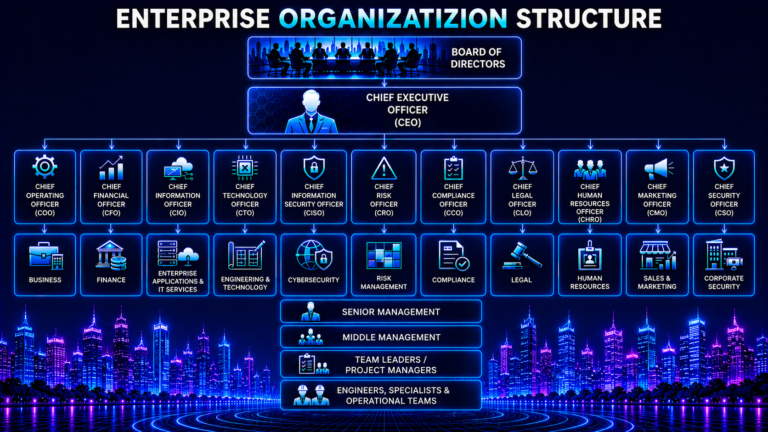
The CFO and finance function typically play an important role in CAPEX governance. They may oversee capital budgets, financial evaluation, approval thresholds, accounting treatment, and expenditure controls.
The CFO does not necessarily determine which assets an organization needs. Business and functional areas generally identify their requirements and justify proposed investments, while the finance function provides financial oversight and governance.
CAPEX governance may define:
- Approval authorities
- Financial thresholds
- Business-case requirements
- Budget controls
- Procurement requirements
- Project controls
- Asset ownership
- Reporting requirements
- Lifecycle management
- Post-investment evaluation
The level of approval may depend on the size, complexity, risk, and importance of the investment.
Smaller expenditures may be approved at a departmental level, while major capital projects may require executive or board-level approval.
Effective CAPEX governance helps ensure that investments are properly evaluated, approved, implemented, and managed.
CAPEX and Total Cost of Ownership
The initial purchase price of an asset does not necessarily represent its total cost.
An organization may also incur costs related to:
- Installation
- Implementation
- Maintenance
- Support
- Energy
- Staffing
- Upgrades
- Licensing
- Security
- Insurance
- Disposal
This is why organizations may consider Total Cost of Ownership (TCO) when evaluating a capital investment.
A broader view of TCO considers the acquisition, implementation, operating, maintenance, and other relevant lifecycle costs associated with an asset.
For example, two machines may have similar purchase prices but very different maintenance and energy requirements. Looking only at the initial acquisition cost would therefore provide an incomplete view of the overall cost.
CAPEX and Free Cash Flow
CAPEX has an important relationship with Free Cash Flow (FCF).
Capital expenditure represents a cash investment in long-term assets and therefore reduces the cash available after operating activities.
Organizations may consider CAPEX when evaluating how much cash remains available for other purposes, such as debt obligations, distributions, reserves, or additional investments.
However, a high level of CAPEX is not automatically negative, and a low level of CAPEX is not automatically positive. The significance depends on the organization’s operating model, asset requirements, growth plans, and financial position.
For a foundational understanding of CAPEX, the important point is that capital expenditure represents an investment in long-term assets and has a direct impact on an organization’s cash requirements.
Factors Affecting CAPEX Decisions
Organizations consider various factors when determining whether to make a capital investment.
Business Requirements
The organization needs to establish whether the investment addresses a genuine operational, strategic, infrastructure, or regulatory requirement.
Expected Benefits
The expected operational, financial, or strategic benefits may be considered before the investment is approved.
Available Capital
Organizations have finite financial resources and may need to prioritize competing investment requirements.
Asset Lifecycle
The expected useful life, maintenance requirements, replacement cycle, and future upgrade requirements can affect the decision.
Risk
Organizations may consider financial, operational, regulatory, environmental, security, and other risks associated with the investment.
Regulatory Requirements
Some capital investments may be necessary to meet legal, regulatory, safety, environmental, or compliance requirements.
Total Cost of Ownership
Organizations may evaluate the full lifecycle cost rather than considering only the initial purchase price.
Future Requirements
Expected changes in capacity, demand, technology, or organizational requirements can influence capital investment decisions.
These factors demonstrate that CAPEX decisions involve more than simply determining the purchase price of an asset.
CAPEX Accounting Considerations
The accounting treatment of CAPEX depends on the applicable accounting framework, the nature of the expenditure, and the organization’s accounting policies.
Organizations may need to determine:
- Whether an expenditure qualifies for capitalization
- When an asset should be recognized
- The appropriate asset classification
- The useful life of the asset
- The applicable depreciation or amortization method
- Whether impairment needs to be recognized
- How subsequent expenditure should be treated
- How disposal or retirement should be accounted for
Different accounting standards and jurisdictions may have different requirements.
For example, organizations may follow IFRS, US GAAP, or another applicable accounting framework.
Therefore, an expenditure should not be classified as CAPEX simply because it is large or relates to physical equipment. The relevant recognition criteria, accounting standards, and organizational policies must be considered.
Conclusion
CAPEX, or Capital Expenditure, represents spending on assets and improvements that are expected to provide value over an extended period.
It can include investments in buildings, machinery, equipment, infrastructure, facilities, transportation, and certain technology assets. Organizations use CAPEX for purposes such as expansion, replacement, maintenance, modernization, and development of new capabilities.
The distinction between CAPEX and OPEX is fundamental to understanding organizational spending. CAPEX is generally associated with acquiring or improving long-term assets, while OPEX generally represents the ongoing costs of operating an organization.
CAPEX is also connected with long-term assets, depreciation, financial statements, budgeting, governance, total cost of ownership, and cash flow management.
For organizations, CAPEX is ultimately a way of investing financial resources in assets and capabilities that support current and future operations. Understanding how these investments are planned, accounted for, governed, and managed provides a useful foundation for understanding organizational finance and resource management.